
If you buy something labeled PolkaDot, are you buying a real brand with a known formula, or just a familiar wrapper with unknown contents inside?
That question matters more than many consumers realize. In dispensary conversations, I've found that many adults treat polka dot candy like a single product line. They assume one bar should work roughly like the next one. In the unregulated edible market, that assumption is where the trouble starts.
The hard truth is simple. A PolkaDot-style package can look polished, colorful, and consistent while the chemistry inside changes completely from one bar to another. If you want to make smart decisions, you have to stop thinking in terms of branding first and start thinking in terms of source, testing, and formulation.
What Is Polka Dot Candy
Polka dot candy usually refers to brightly packaged mushroom edibles, most often chocolate bars, though the label can also show up on gummies or drinks. People search for it because the packaging is memorable and the products are often presented as fun, easy-to-dose alternatives to dried mushrooms.
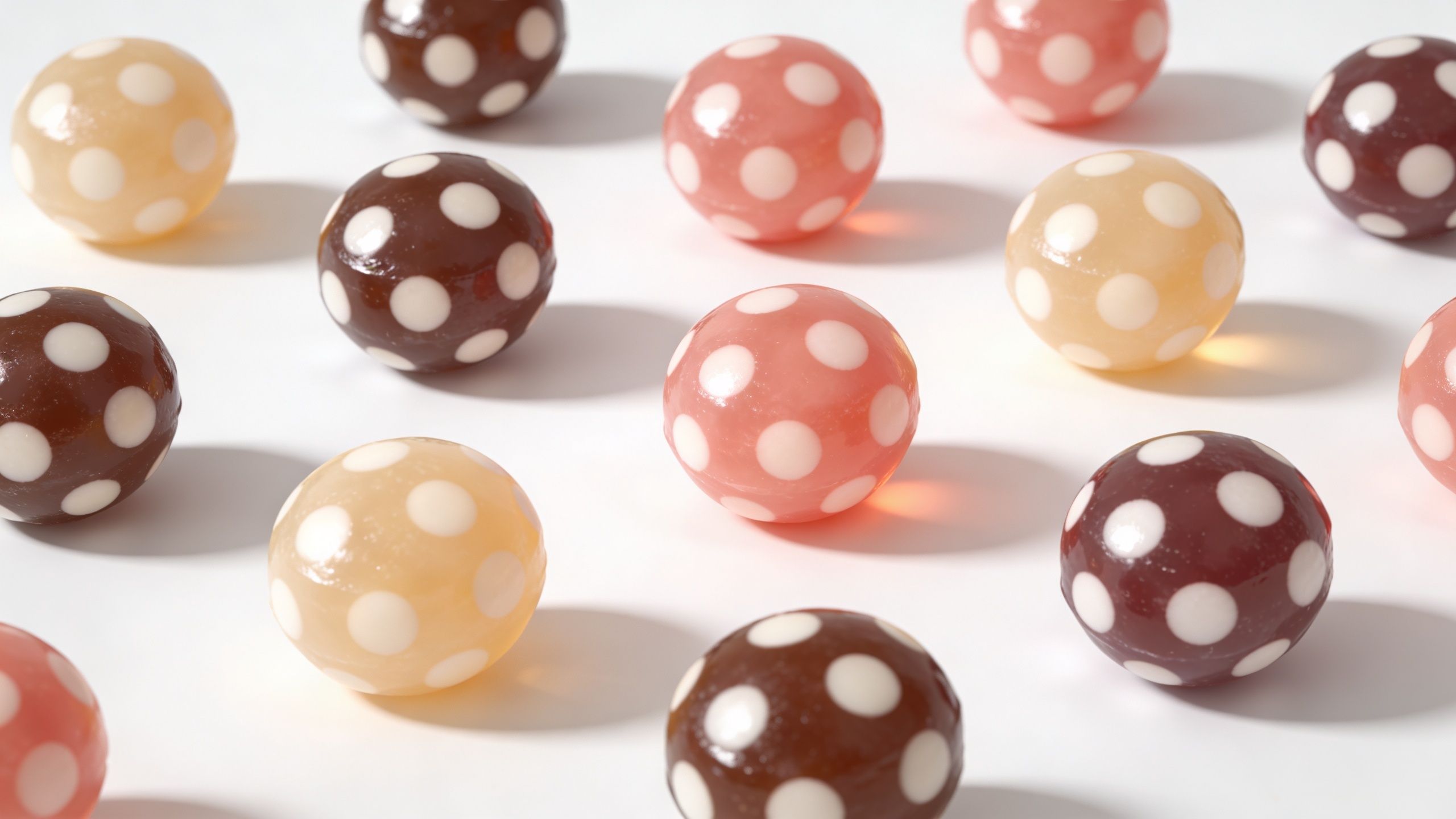
What makes the term confusing is that it doesn't reliably describe one ingredient profile, one manufacturer, or one safety standard. Some products marketed this way look like ordinary confectionery. Others are sold as “mushroom chocolate” and imply a specific type of psychoactive effect. If you're comparing them with more standard magic mushroom chocolate bars, the biggest difference is that polka dot candy often trades on appearance and recognition rather than clear production transparency.
Why people misread it
Consumers tend to trust visual consistency. If the wrapper looks the same, it is commonly assumed the recipe is the same. That's normal buying behavior in regular food retail. It's a bad assumption in unregulated edibles.
A chocolate bar also creates a false sense of familiarity. It looks like candy, it tastes like candy, and chocolate can hide off-notes that would be obvious in another format. That makes people think they understand the product before they know what's in it.
The wrapper answers almost none of the questions that matter. Who made it, what's in it, and whether the contents match the label.
The practical definition
If you want the most useful working definition, use this one:
- Packaging term first: “Polka dot candy” often describes a packaging style people recognize.
- Edible category second: It usually refers to chocolate bars or similar edible products sold as mushroom-based.
- Risk category always: It belongs to a part of the market where labeling, active compounds, and strength may not be dependable.
That's why a simple definition isn't enough. With polka dot candy, the name doesn't tell you what you need to know.
The Polka Dot Brand Illusion
The biggest mistake consumers make is treating PolkaDot like a single accountable company. In practice, that's often not how the market works.
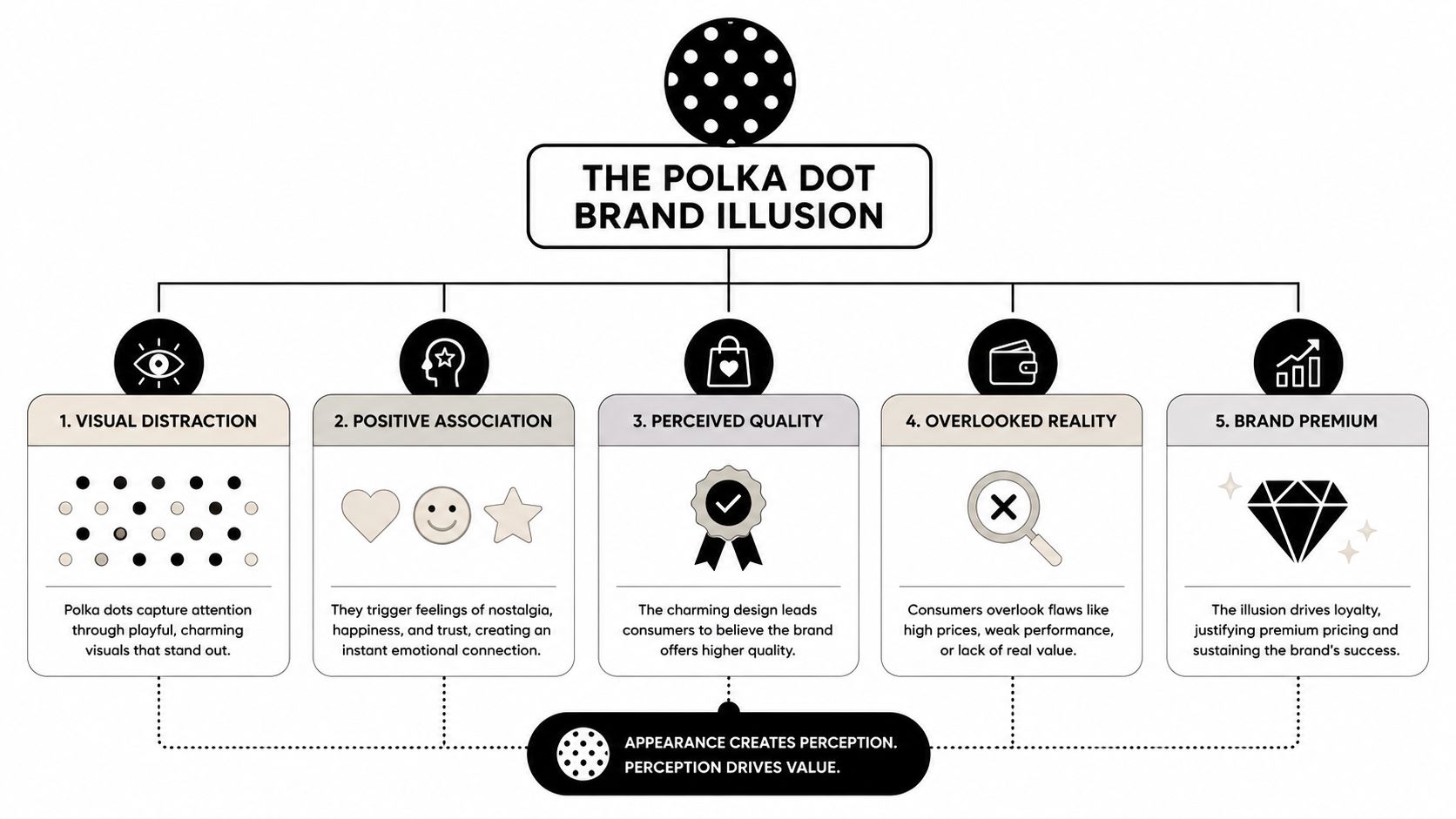
Investigators tied to Denver reporting found PolkaDot-branded bars in convenience stores and noted that the packaging is widely available online, which means multiple unconnected sellers can buy the wrappers and fill them with whatever compounds they choose, creating broad inconsistency across the U.S., as described by the CU Anschutz public health report on mushroom-infused products in Colorado gas stations.
Why the logo doesn't protect you
In regulated retail, branding usually signals a chain of accountability. A company manufactures, distributes, and stands behind the product. If there's a recall or a batch issue, you can trace it back.
With PolkaDot-style products, the branding can act more like a costume than a chain of custody. The package may look professional, but the package itself doesn't prove:
| Question | What consumers assume | What the wrapper actually proves |
|---|---|---|
| Who made it | A single company produced it | Often nothing reliable |
| What's inside | It matches the flavor and label claim | Not necessarily |
| How strong it is | Similar bars have similar effects | Not a safe assumption |
| Whether it's tested | Branded look suggests QA happened | Packaging alone doesn't show that |
That gap between appearance and accountability is the brand illusion.
Why convenience-store placement matters
When these bars sit beside energy shots, nicotine pouches, and standard grab-and-go items, they borrow legitimacy from the shelf. Shoppers read placement as a trust signal. They think, “If it's sold openly, somebody must have checked it.”
That isn't a safe conclusion in this category.
Practical rule: If the strongest trust signal is the wrapper design, you don't have a trust signal. You have marketing.
What works and what doesn't
What works is evaluating the seller, the testing, and the chain of custody. What doesn't work is assuming repeated packaging equals repeated formulation.
That's the core issue with polka dot candy. The problem isn't only that some products may be strong. The problem is that the same label can point to completely different chemistry depending on who filled the wrapper.
Analyzing The Real Ingredients
Once you understand the brand illusion, the next question is obvious. What do these products contain?
The answer is uncomfortable. There isn't one answer. Reports tied to PolkaDot-style products show that the ingredient story can vary sharply from sample to sample, even when the packaging looks nearly identical.

Denver testing found that one sample contained only psilocybin, another combined natural and synthetic tryptamines, and a third contained only synthetic tryptamines including 4-HO-MET, 4-HO-DET, and 4-AcO-DET, according to the Denver7 investigation into seized psychedelic chocolate bars.
What the package may claim
A PolkaDot-style wrapper may suggest a mushroom identity. It may mention ingredients associated with functional mushrooms, Amanita muscaria, or a general “magic blend.” To a casual buyer, that sounds specific enough.
It isn't.
In this part of the market, label language can function more like theme-setting than ingredient disclosure. The packaging tells a story about the expected experience, but it may not tell the truth about the active compounds.
What testing has actually shown
Here's the practical way to think about tested findings:
- Some bars appear to contain psilocybin-related material. That aligns with what many buyers assume they're purchasing.
- Some samples mix natural and synthetic compounds. That creates a much less predictable effect profile.
- Some samples contain synthetic tryptamines without the mushroom-based chemistry consumers expect. That changes both the experience and the risk.
Those are not minor formulation differences. They can mean different onset patterns, different intensity curves, and different duration.
Why chocolate makes this harder
Chocolate is a forgiving delivery system. From a product-formulation standpoint, that's one reason it's popular. Cocoa solids, cocoa butter, sugar, milk solids, emulsifiers, and flavoring can smooth over bitterness or chemical off-notes that would stand out in a tincture or tea.
That matters because a buyer can't reliably taste their way to safety. A bar that tastes clean and sweet can still contain something very different from what the front label suggests.
A polished edible can hide a rough formulation. Taste is not verification.
A better lens for judging these products
Don't ask whether the wrapper says “mushroom.” Ask narrower questions:
- Is there verifiable testing tied to the exact product?
- Does the seller explain the active ingredient clearly?
- Does the formula stay consistent across batches, or is that impossible to confirm?
- If the result feels different from what the label implies, would that be surprising?
If you can't answer those questions, the ingredient list is just artwork with text on it.
Understanding The Public Health Dangers
Health departments don't issue warnings over packaging aesthetics. They act when products create a real risk of harm.
In California, the warning was explicit. The California Department of Public Health said PolkaDot brand Mushroom Magic Blend Chocolate Bars should not be eaten after laboratory testing found an added synthetic psychoactive drug. The agency reported that more than US$3 million worth of the bars were embargoed and voluntarily destroyed and warned that these products could cause severe adverse effects including illness, hospitalization, or death, especially for young children who might mistake them for ordinary candy, according to the California Department of Public Health warning on PolkaDot bars.
Why the risk is more than "too strong"
People often reduce edible risk to dose. They ask whether a bar is weak or potent. That's only part of the picture.
The more serious issue is ingredient mismatch. If a person expects one class of active compound and gets another, every assumption around dose, onset, and effects can break down. That can lead to panic, overconsumption, delayed response to a bad reaction, or unsafe behavior during the experience.
The main danger points
- Unknown pharmacology: A product marketed one way may behave another way.
- Delayed onset confusion: If effects arrive later than expected, people may take more too soon.
- Accidental ingestion: Candy-like appearance raises the risk for children and other unintended users.
- Retail normalization: Open sale in ordinary stores can make people underestimate the hazard.
Why public warnings matter here
A lot of adults dismiss government warnings because they assume the message is broad or moralizing. In this case, the concern is concrete. Officials weren't objecting to edgy branding alone. They were responding to laboratory findings and serious potential outcomes.
If a product category keeps failing the basic test of “does the inside match the label,” safety problems aren't incidental. They are built into the buying process.
That's the reason I tell people to stop asking, “Is PolkaDot good?” and start asking, “Can this exact seller prove what this exact batch contains?” Without that shift, consumers keep using normal snack-buying logic in a market that doesn't deserve it.
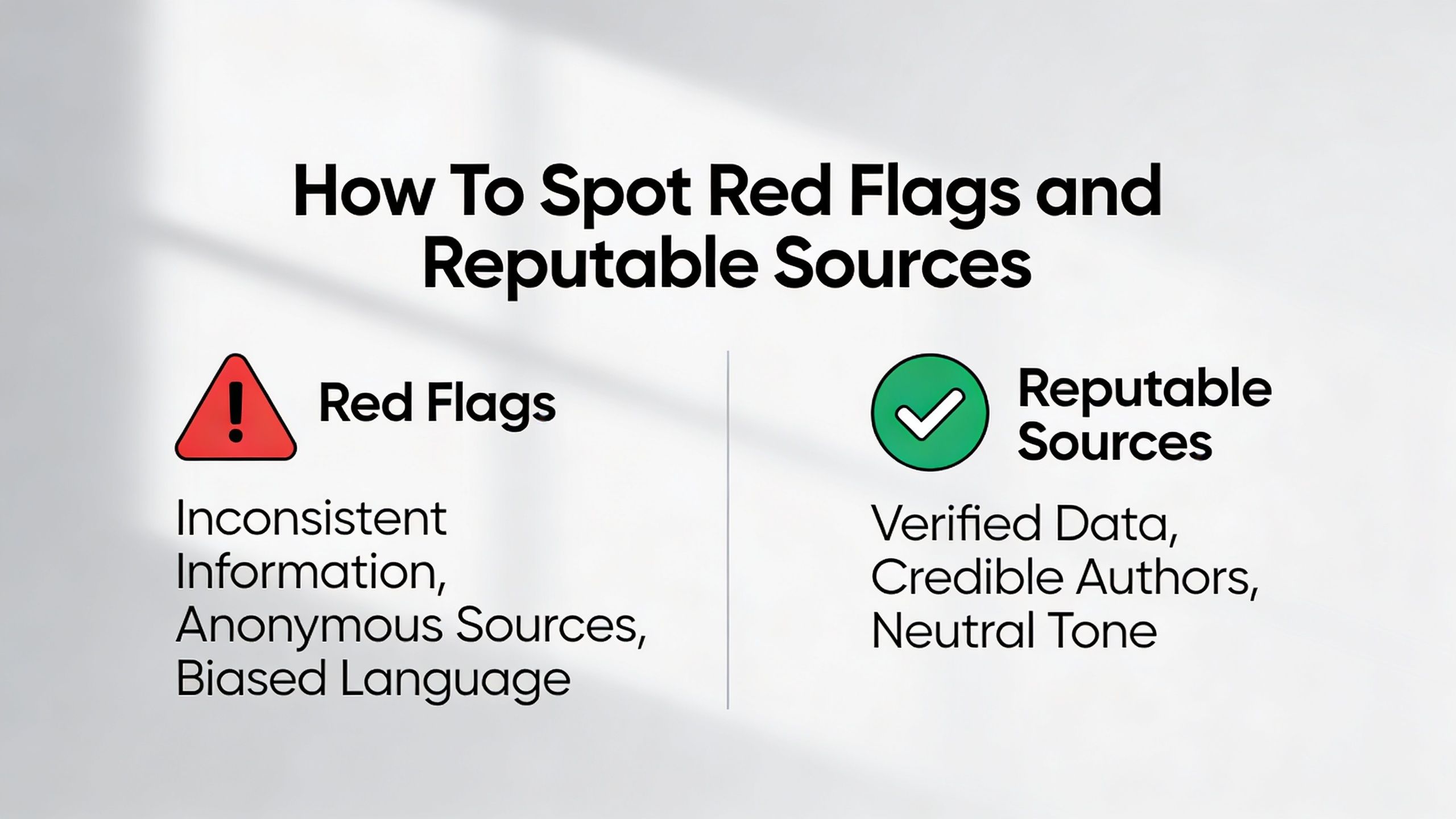
How To Spot Red Flags and Reputable Sources
You can't make an unregulated category perfectly safe, but you can make better decisions. The best consumer protection habit is to judge the seller harder than the package.
Analytical testing has shown that dosage uncertainty in PolkaDot-style products is a structural problem. The risk isn't just potency variation but completely different pharmacology, which can cause delayed onsets, redosing errors, and increased adverse events because label-based dosing assumptions are unreliable, as noted in the report on dosage uncertainty in PolkaDot-style mushroom chocolate.
Red flags that should slow you down
Some warning signs don't prove a product is unsafe, but they should stop an impulse purchase.
- Anonymous sales channels: If you can't identify who made the product or how to contact them, accountability is weak.
- No batch-specific documentation: A seller who talks a lot about “premium quality” but can't show current testing is asking for blind trust.
- Cartoon-heavy candy presentation: Packaging that looks designed to blur the line between novelty edible and ordinary snack deserves extra caution.
- Vague active ingredient language: “Magic blend,” “proprietary formula,” and similar labels often hide the question that matters most.
- Shelf placement doing the trust work: If the product feels legitimate mainly because it's sitting in a store, that's not enough.
Signs a source is taking the category seriously
Trustworthy sellers don't rely on the wrapper. They make the product easier to verify.
| Better sign | Why it matters |
|---|---|
| Clear product identity | You know what active is being sold |
| Accessible lab information | You can compare claim to evidence |
| Consistent labeling language | Less room for bait-and-switch formulation |
| Direct customer support | Someone is accountable after the sale |
| Real dosing guidance | The seller acknowledges onset and variability |
A practical example is a seller that provides category-specific education alongside products, such as Polka Dot mushroom gummies information from Metro Mush. That kind of page doesn't replace independent verification, but it's more useful than a flashy wrapper and no supporting detail.
What doesn't work
Don't rely on these shortcuts:
- “My friend bought the same one before.” The same wrapper doesn't guarantee the same fill.
- “It tasted normal.” Taste tells you very little.
- “The shop looked professional.” Plenty of questionable products sit in ordinary retail environments.
The safest buyer in this market is the one who's comfortable walking away.
Safe Consumption and Storage Practices
Some people will still choose to use polka dot candy or similar mushroom edibles. At that point, the right approach is harm reduction, not wishful thinking.
One technical risk with chocolate products is that the fat phase can mask active compounds, making it impossible to judge content by taste or appearance alone. That's one reason secure storage matters so much, especially because children may mistake these bars for ordinary candy, as explained in the ingredient analysis discussing chocolate's masking effect.
Safer use habits
If a person decides to consume an edible with uncertain consistency, a few habits reduce avoidable mistakes:
- Start smaller than you think you need. With uncertain products, conservative dosing beats confidence.
- Wait longer than feels convenient. Edibles can tempt people into redosing before the full effect develops.
- Use them in a stable setting. Don't combine an unknown product with a chaotic environment.
- Avoid mixing casually. Adding alcohol or other intoxicants makes it harder to read what the edible is doing.
“Start low and go slow” isn't a slogan. It's what buyers do when the label may not deserve trust.
Adults who prefer a different edible format should still apply the same caution to products like freeze-dried edibles. Format changes texture and taste. It doesn't remove the need for clear sourcing and realistic dosing.
Storage rules that matter
Storage should be boring and secure.
- Keep it locked away: Not in a snack drawer, not on a counter.
- Store it in original packaging only if that package can be secured: If the wrapper looks like candy, put the whole item inside a separate child-resistant container.
- Label your personal stash clearly: Other adults in the household shouldn't have to guess what it is.
- Never leave partial bars out: Broken pieces are easier to mistake for regular chocolate.
The mistake people make is treating these products like treats first and controlled substances second. That's backward.
Navigating The Future of Mushroom Edibles
The future of mushroom edibles depends on one change in buyer behavior. Consumers have to stop rewarding brand illusion and start rewarding traceability.
Polka dot candy has become a useful cautionary example because it shows how easily modern packaging can outpace accountability. A clean design, a familiar name, and candy-bar format can make a product look settled and standardized when it isn't. That gap is where confusion and preventable harm live.
What a better market looks like
A healthier edible market would be built around a few basics:
- Clear ingredient identity
- Reliable batch testing
- Consistent labeling
- Straight dosing guidance
- Sellers who can answer hard questions without dodging
Consumers can push the market in that direction by refusing mystery products, even when the wrapper is attractive and the product is easy to find.
Better mushroom edibles won't come from better graphics. They'll come from sellers who can prove what's inside and buyers who insist on that proof.
That's the essential takeaway. Polka dot candy isn't one thing. It's a lesson in why packaging should never outrank evidence.
If you want a more grounded way to shop, Metro Mush offers adult consumers in the Detroit and Ann Arbor area a menu built around clearly presented mushroom products, including dried mushrooms, chocolates, and drinks, with product education available on-site and online so you can evaluate options with more context before you buy.