If you're in Detroit or Ann Arbor, you've probably noticed that mushrooms now come up in two very different conversations. One happens in health food shops, yoga studios, and wellness circles. The other happens in more underground, curious, or community-driven spaces where people talk about psilocybin, decriminalization, and personal exploration.
That overlap creates real confusion. Someone says they use a mushroom tincture every morning, and you still don't know whether they mean a non-psychoactive lion's mane extract for focus or a psilocybin liquid meant for a very different kind of experience.
That confusion matters because the mushroom tinctures benefits people talk about depend entirely on what kind of tincture you're holding. The plant chemistry is different. The intended use is different. The legal context around Detroit and Ann Arbor is different too.
This guide clears that up in plain language. If you're trying to understand what tinctures are, why extraction matters, which benefits are tied to specific compounds, and how to think about both functional and psilocybin products responsibly, you're in the right place.
Your Introduction to Mushroom Tinctures
In Southeast Michigan, mushroom interest has become very local and very practical. People aren't only asking abstract wellness questions anymore. They're asking what to buy, what to avoid, what works for everyday support, and what falls into a psychedelic category.
A mushroom tincture is a liquid extract made from mushrooms. Instead of eating the mushroom whole or taking a dry powder, you use a concentrated liquid, usually by dropper. That sounds straightforward, but it's also where the confusion starts.
Some tinctures are made from functional mushrooms such as lion's mane, reishi, cordyceps, or turkey tail. These are generally used for legal wellness purposes like cognitive support, stress support, or immune-focused routines. They are not meant to produce a psychedelic experience.
Others are made from psilocybin mushrooms. Those tinctures are psychoactive. People use them for very different reasons, including introspection, mood shifts, creativity, or spiritual exploration. In Detroit and Ann Arbor, that puts them in a different social and legal conversation than a bottle of reishi from a supplement shelf.
Local reality: Two products can both be called “mushroom tinctures” and still have almost nothing in common in effects, purpose, or risk.
The helpful way to think about this is to separate three questions:
- What mushroom is in it. Lion's mane and psilocybin mushrooms are not interchangeable.
- How was it extracted. The extraction method affects which compounds end up in the bottle.
- Why are you taking it. Daily support and psychedelic exploration call for different expectations.
Once those pieces are clear, the rest gets easier. You can judge labels more carefully, compare benefits more objectively, and make better decisions about use, safety, and sourcing.
What Exactly Is a Mushroom Tincture
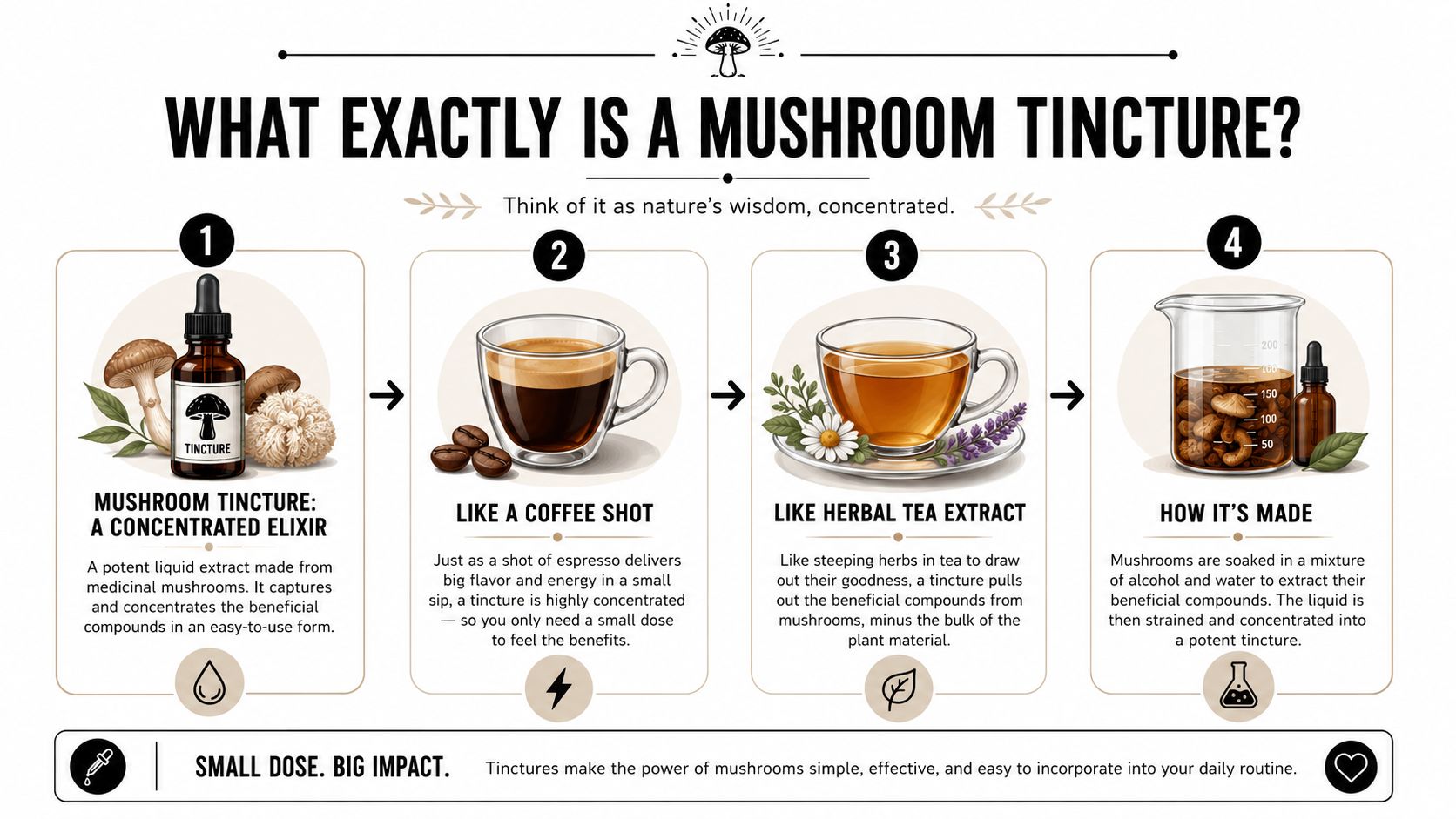
A tincture is a concentrated liquid extract. The easiest way to picture it is as something like a strong herbal tea concentrate or a coffee shot. Instead of consuming the whole mushroom, you're taking a small amount of liquid that was made to pull useful compounds out of it.
That “pulling out” part is the key idea. Mushrooms contain different classes of compounds, and not all of them dissolve in the same kind of liquid. That's why extraction matters so much.
Why extraction matters
A lot of the conversation around mushroom tinctures benefits comes down to chemistry, not hype. Many products use dual extraction with water and alcohol because major medicinal mushroom groups contain both water-soluble polysaccharides like beta-glucans and alcohol-soluble compounds like triterpenoids. That broader extraction approach is described in this overview of how mushroom tinctures use water and alcohol to capture different bioactive compounds.
In plain English, that means one solvent gets one group of compounds, and the other solvent gets another. If a maker uses only one method, the final bottle may leave out compounds that people care about.
A useful mental model:
- Water extraction is a bit like simmering mushrooms into a strong decoction.
- Alcohol extraction works more like a solvent for compounds water doesn't capture as well.
- Dual extraction combines both.
- The final tincture gives you those extracted fractions in a small serving.
What people often get wrong
Many shoppers assume “more mushroom” automatically means “better tincture.” That's not always true. A bottle can sound impressive and still tell you almost nothing useful if the label doesn't explain the mushroom species, the extraction method, or the target compounds.
Another common mistake is treating all mushroom products as equal. They aren't. A powder, capsule, tea, and tincture may all come from the same mushroom, but they can differ in what compounds are available to you.
A tincture isn't magic because it's liquid. Its value comes from whether the extraction actually captured the compounds linked to the effect you're looking for.
That's why tinctures became popular in the first place. They offer a practical way to concentrate multiple fractions into a small dose, especially when the maker is trying to include both water-soluble and alcohol-soluble constituents.
Functional vs Psilocybin Tinctures Explained
The format is the same. The category is not.
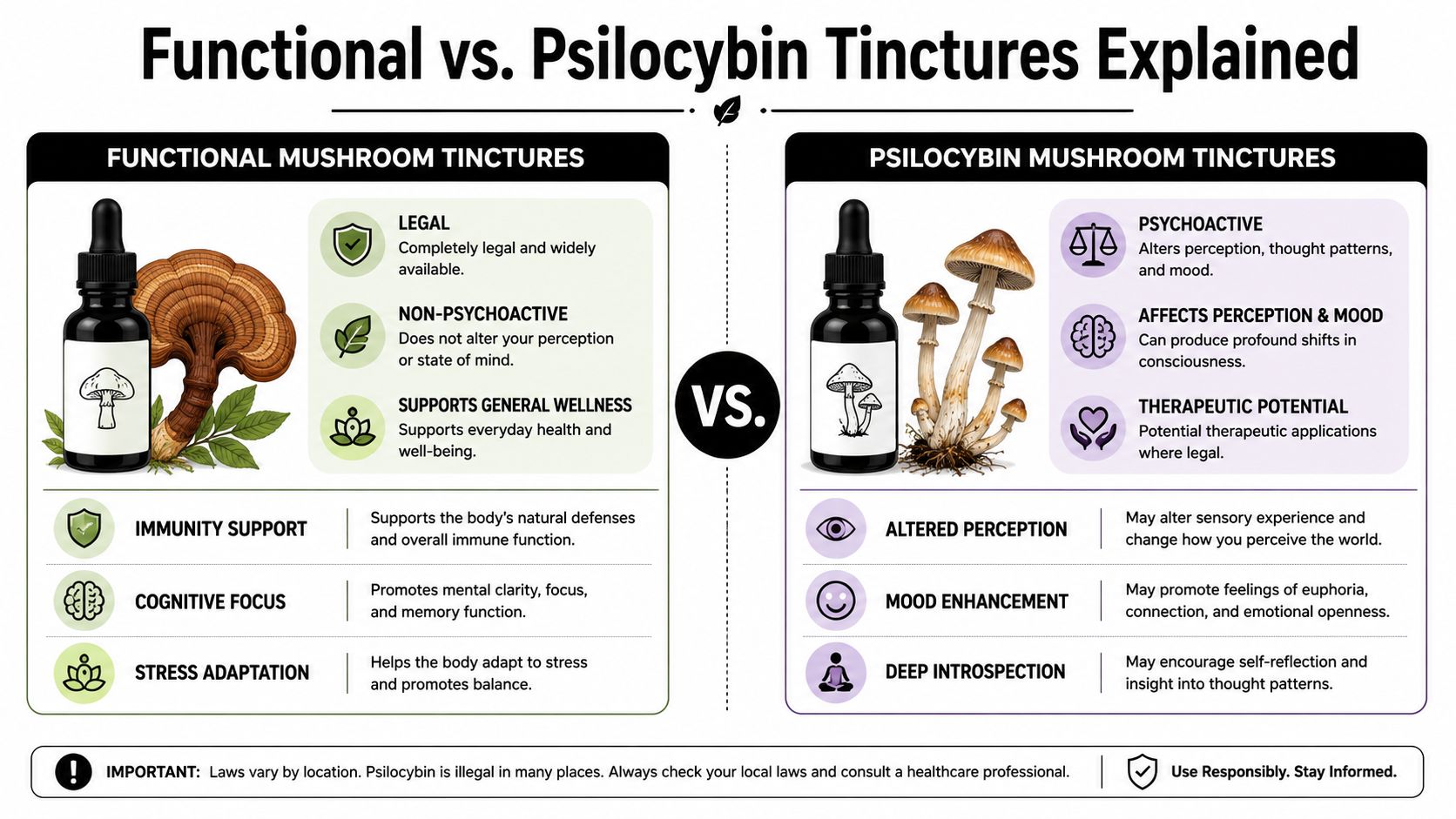
A dropper bottle of lion's mane and a dropper bottle of psilocybin may look similar on a shelf or in a photo, but they belong to different worlds. One is typically used as a non-psychoactive wellness supplement. The other is psychoactive and tied to altered perception, mood, and consciousness.
The core difference
Functional mushroom tinctures are usually made from mushrooms such as lion's mane, reishi, cordyceps, or turkey tail. They're generally taken for routine support. People might use them as part of a morning focus habit, an evening wind-down ritual, or an immune-support routine.
Psilocybin tinctures are made from psychoactive mushrooms. They're used for experiences that can range from subtle mood and perspective shifts to full psychedelic effects, depending on dose and context.
The easiest way to stay oriented is to ask one question first: Is this product intended to alter consciousness? If the answer is no, you're likely in the functional category. If the answer is yes, you're not shopping in the supplement lane anymore.
Functional vs. Psilocybin Tinctures at a Glance
| Attribute | Functional Tinctures | Psilocybin Tinctures |
|---|---|---|
| Primary purpose | Everyday wellness support | Psychedelic or introspective experience |
| Psychoactive effects | No intoxicating effect expected | Yes, dose-dependent psychoactive effects |
| Common mushrooms | Lion's mane, reishi, cordyceps, turkey tail | Psilocybin-containing mushrooms |
| Typical use pattern | Daily or routine supplementation | Intentional use based on setting and dose |
| Shopping context | Supplement and wellness market | Decriminalized or underground access, depending on local context |
| Main buyer question | “Will this fit my wellness routine?” | “What kind of experience am I preparing for?” |
The local legal context
In Detroit and Ann Arbor, people often use the word “legal” loosely when talking about psilocybin. That's risky. Decriminalization doesn't mean a standard retail supplement market suddenly exists in the same way it does for non-psychoactive functional mushrooms.
For practical purposes, functional tinctures fit more comfortably into the familiar supplement environment. Psilocybin tinctures sit in a different category. They require more caution, more attention to trust and testing, and a clearer understanding of local policy versus full legal commercialization.
If you're buying by bottle shape alone, you're missing the most important difference.
That distinction helps with everything that follows. Benefits, risks, timing, dose, and expectations all flow from it.
Documented Benefits of Functional Mushroom Tinctures
The strongest way to look at functional mushroom tinctures is species by species, not as one giant “superfood” category. Different mushrooms contain different compounds, and those compounds are connected to different biological effects.
Lion's mane and turkey tail
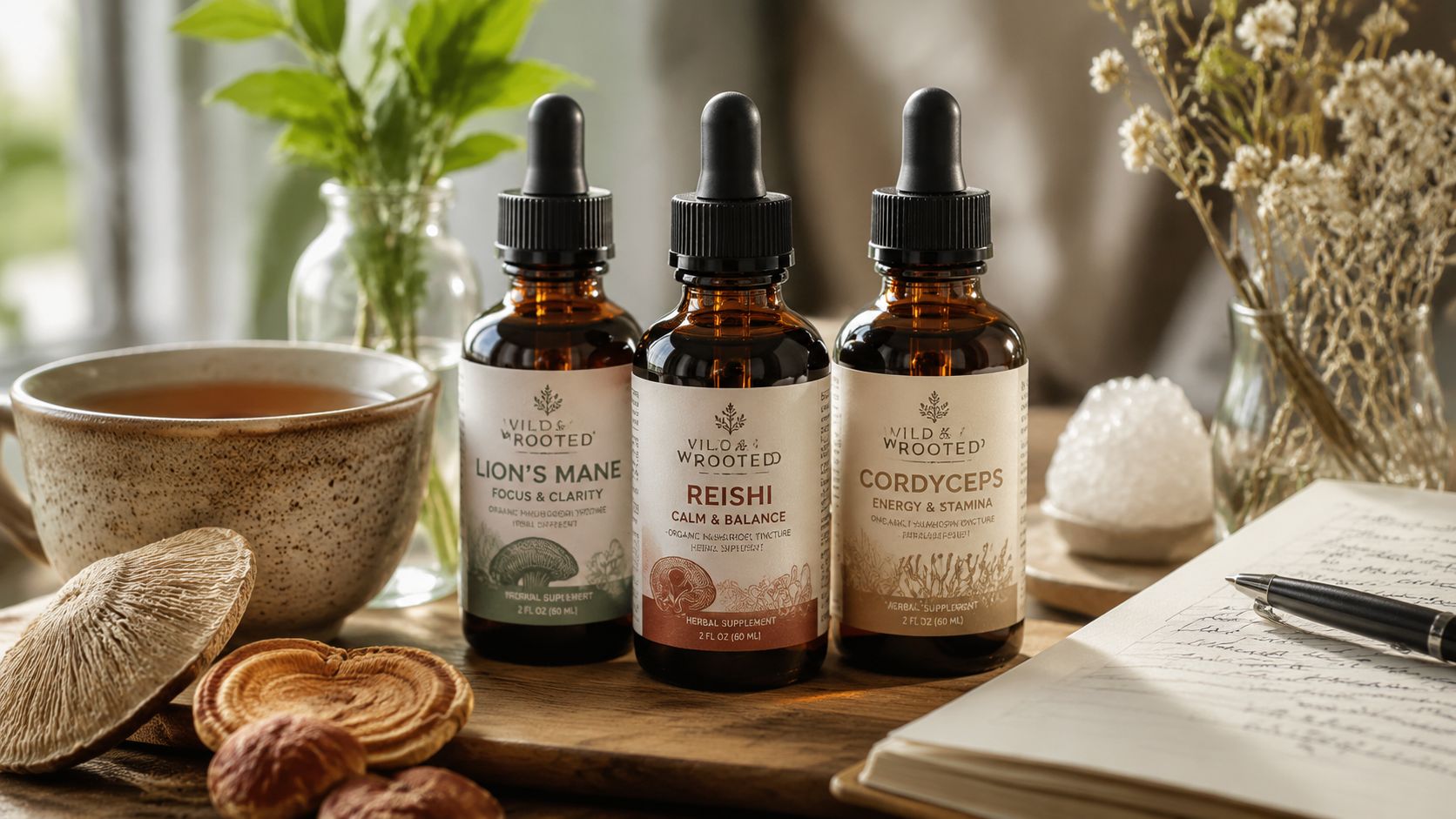
Among the most discussed examples, lion's mane contains compounds associated with nerve growth factor synthesis, and turkey tail-derived polysaccharides have been reported to modulate innate immune cells such as monocytes and natural killer cells, as described in this review of mushroom metabolites tied to cognitive and immune-related effects.
That doesn't mean every bottle on the market will produce a dramatic outcome. It does mean there is a plausible biochemical reason these mushrooms keep showing up in conversations about cognition and immune support.
If sleep support is part of your wellness goal, this look at whether mushrooms may help with sleep can help you think more clearly about which mushroom type might fit your routine.
What the broader research supports
The wider medicinal mushroom literature points to several kinds of activity, including immunomodulatory, anti-inflammatory, antioxidant, antimicrobial, and neuroprotective effects. The National Cancer Institute also notes a foundational medical history for mushroom-derived extracts in Asia. In studies of PSK from Trametes versicolor, the 5-year survival rate improved from 60.0% to 73.0% and the 5-year disease-free survival rate improved from 59.4% to 70.7% when PSK was added to standard treatment, with one subgroup analysis in stage IB/II gastric cancer showing 84.4% vs. 67.6% for 5-year survival, according to the National Cancer Institute summary of medicinal mushrooms and PSK research.
Those figures matter historically because they helped establish serious scientific interest in mushroom-derived bioactives. They do not mean a retail tincture should be treated like a cancer therapy.
A realistic way to read benefit claims
Functional tinctures can make sense when you think of them as an extraction-and-delivery format for specific compounds. That's more grounded than treating them like cure-alls.
A practical shortlist:
- Lion's mane: Often discussed for cognitive support.
- Turkey tail: Often discussed for immune-related pathways.
- Reishi: Commonly chosen in stress-support or evening routines.
- Cordyceps: Often selected by people who want an energy-oriented mushroom.
What to remember: The best-supported benefits are usually tied to extracted compounds and specific mushroom species, not to the word “tincture” by itself.
So if you're comparing products, the smarter question isn't “What are mushroom tinctures benefits in general?” It's “Which mushroom, which extract, and which compounds does this bottle deliver?”
Understanding Psilocybin Tincture Benefits and Effects
People who look for psilocybin tinctures usually aren't trying to add another supplement to a smoothie. They're usually after a different state of mind, a shift in perspective, or a more intentional way to work with psychedelic effects.
That can look very different from person to person. One adult may be curious about subtle low-dose use. Another may be interested in a deeper, more immersive experience that involves emotion, memory, or spiritual reflection.
Why people choose the tincture format
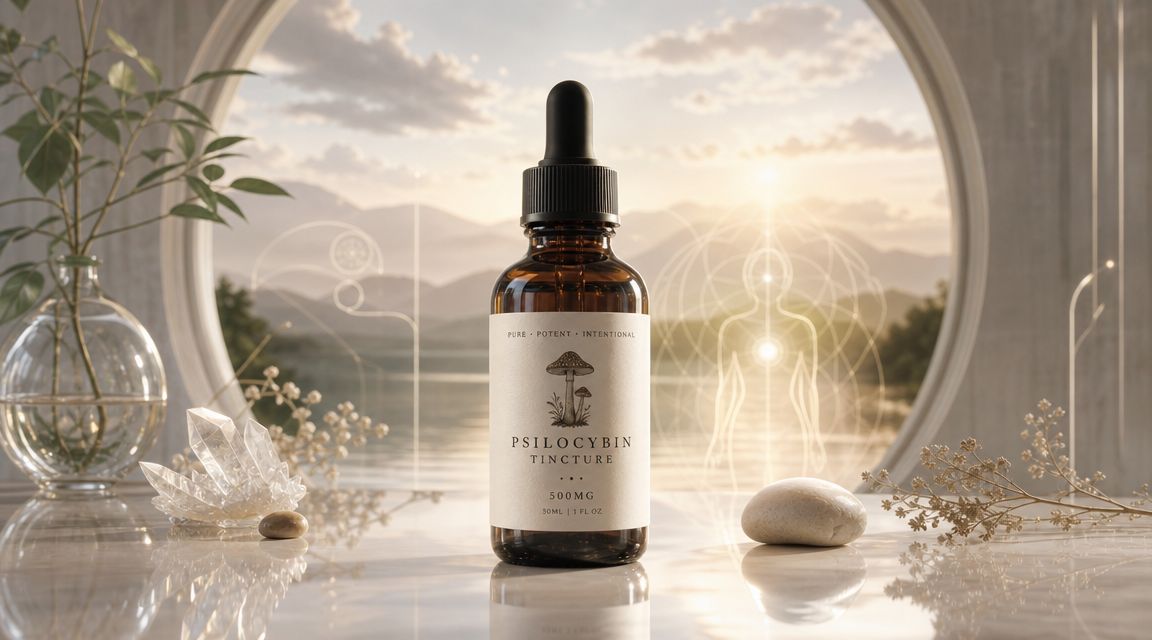
Some people prefer a tincture because it feels easier to measure than dried mushrooms. Others like that a liquid can fit into a more deliberate routine. A few want to explore very small amounts without chewing raw material or dividing capsules.
The reported reasons for use often include:
- Subtle exploration: Low-dose use for mood, openness, or creative flow.
- Deeper introspection: Higher-dose use for self-inquiry, emotional release, or perspective shifts.
- Ritual and control: A dropper bottle can feel more structured than loose dried mushrooms.
What people call “benefits” here is often subjective. They may describe greater emotional access, a feeling of connectedness, or a reset in how they relate to stress. Those are real experiences for some people, but they're still different from a standardized supplement claim.
What science does and doesn't say
The evidence around mushroom products is often discussed too loosely. A key review points out that the strongest evidence is from medicinal mushroom research more broadly, not from tincture-specific human trials, and that controlled comparisons between tinctures and other formats are rare, as explained in this review of the evidence gap around mushroom products and tincture-specific proof.
That caution matters even more in the psilocybin conversation. Public interest often moves faster than product-specific evidence.
If you want a fuller look at mechanism and perception, this guide on psilocybin effects on the brain gives more context for what people mean when they talk about altered awareness.
Here's a broader educational overview for people who learn better by watching than reading.
What the experience can feel like
At very low levels, some people report effects that are subtle enough to sit near the edge of perception. At higher levels, the experience can become unmistakably psychedelic. Visual changes, emotional intensity, shifts in time sense, and unusual thought patterns can all become part of it.
That range is why language gets messy. One person says a tincture helped them feel more open on a walk through Ann Arbor. Another says the same kind of product led to hours of intense inner work. Both may be describing psilocybin, just at different doses and in different settings.
How to Use Mushroom Tinctures Safely and Effectively
The safest approach starts with a simple rule. Read the label, know the species, and don't guess what kind of tincture you have. That sounds obvious, but a lot of avoidable problems start with sloppy assumptions.
Practical guidance is often vague, and that's frustrating for buyers. The bioactive profile of a tincture depends heavily on the mushroom species and extraction method, yet universally accepted dosing standards and strong head-to-head evidence versus other formats aren't established, as noted in this explainer on dose, extraction method, and potency questions around mushroom tinctures.
Using functional tinctures
Functional mushroom use often involves building a routine rather than chasing an immediate sensation. The effects, when noticed, are often described as gradual or supportive instead of dramatic.
A practical approach looks like this:
- Start with the product label: Use the maker's listed serving size instead of inventing your own.
- Stay consistent for a while: Functional products are often used daily, not randomly.
- Take notes: If you're using lion's mane for focus or reishi in an evening routine, track what you observe.
- Watch for irritation: Some people experience digestive upset or dislike the taste of alcohol-based extracts.
Using psilocybin tinctures
Psilocybin calls for a different mindset. Here, “start low and go slow” isn't just a slogan. It's basic harm reduction. Potency can vary, and a liquid format can create false confidence if the product isn't clearly labeled or consistently prepared.
A cautious checklist:
- Choose your setting carefully. Don't use a psychoactive tincture before driving, working, or handling obligations.
- Keep the first trial small. Especially if you don't know how the preparation was made.
- Avoid stacking substances. Mixing with alcohol or other drugs can complicate the experience.
- Have support if needed. For a stronger experience, many adults prefer a calm environment and a trusted sober person nearby.
“Safe enough” isn't a feeling. It's a plan.
Common ways people take tinctures
Most tinctures are used in one of two ways.
| Method | Why people choose it | Main consideration |
|---|---|---|
| Under the tongue | Simple and direct | Taste can be strong |
| Mixed into a drink | Easier to take for some people | Can make careful tracking harder if you're casual about measuring |
Red flags to take seriously
Some warning signs apply to both categories:
- No clear species listed: You shouldn't have to guess what's in the bottle.
- No extraction details: If the maker says nothing about how it was made, caution is reasonable.
- No potency clarity for psilocybin products: Unclear psychoactive strength is a serious issue.
- Drug interaction concerns: If you take medications or have a health condition, extra caution is wise.
For psilocybin specifically, your mental state and environment matter a lot. If you're anxious, overwhelmed, sleep-deprived, or in a chaotic setting, the experience can become much harder to manage.
Buying and Using Tinctures in Detroit and Ann Arbor
In Detroit and Ann Arbor, the smartest buyers separate wellness shopping from psychedelic decision-making. Functional tinctures fit the familiar pattern of supplement buying. You compare species, extraction style, and maker transparency. Psilocybin tinctures require a different lens because decriminalization does not create the same kind of ordinary retail framework.
For functional products, look for clear labeling, extraction details, and a specific mushroom identity rather than vague “mushroom blend” language. If the bottle tells you what it is, how it was extracted, and what kind of routine it suits, you're already in better shape than most impulse buyers.
For psilocybin products, local context matters. In Detroit and Ann Arbor, many adults understand that access exists, but that doesn't remove the need for discretion, trust, and careful screening. Product clarity matters more, not less.
A short buying checklist helps:
- Know the category: Functional and psilocybin tinctures are not substitutes.
- Check transparency: Species, extraction method, and intended use should be clear.
- Match the product to the goal: Daily cognitive support and a psychedelic session are entirely different use cases.
- Stay current on local access realities: Community knowledge often matters more than assumptions.
If you're trying to understand the local access situation more clearly, this guide on where to buy shrooms in Southeast Michigan gives useful context.
The main takeaway is simple. The phrase mushroom tinctures benefits only becomes meaningful when you know which mushroom you're talking about, what compounds were extracted, and what kind of experience or support you're seeking in Detroit or Ann Arbor.
If you're looking for a trusted local option for adult psilocybin consumers in Southeast Michigan, Metro Mush offers a Detroit and Ann Arbor-focused menu with dried mushrooms, chocolates, drinks, and easy ordering by text.