
Yes, edibles can carry different strain names, but a name by itself won't promise a different experience. The label mostly reflects how a product is marketed, not always what's inside. Here's why the full answer takes a bit more unpacking.
Why a Strain Name Is Not a Guarantee
Picture a recipe titled "Grandma's Chocolate Cake." Two bakers can follow that same title and end up with very different cakes, depending on the cocoa they pick, how hot the oven runs, and a dozen small choices nobody wrote down. A strain name works a lot like that title.
Three things explain why.
Three Reasons the Name Can Mislead
- Names are labels. Strain names aren't standardized across the United States, so the same name can point to a different formula from one brand to the next.
- Batches vary. Even the same named plant can shift from one harvest to another, depending on growing conditions and when it was picked.
- Processing reshapes results. Extraction, heat, and formulation can strip out or replace aromatic compounds, even when the starting material is identical.
What the Research Covers
Most of the research here focuses on cannabis edibles, so the examples lean that way. Psilocybin edibles share a few habits with them, like clear ingredient labels, accurate dosing, and careful processing. The chemistry is different, though, so don't assume the two categories behave the same way.
The name hints at where a product is headed. The ingredient list and processing details tell you what is actually in the package.
Quick Checklist Beyond the Strain Name
Before you buy, it helps to run through a short routine. The table below covers the details that tell you far more than a name ever will.
| What to Check | Why It Matters | Where to Find It |
|---|---|---|
| Ingredient list | Shows what the product is actually made with | Product label or menu description |
| Active compound per serving | Helps you estimate your dose | Label or product details |
| Serving size and count | Shows how many servings you're getting | Package back or label |
| Processing method | Affects which compounds survive | Manufacturer description |
| Testing information | Confirms potency and purity | Batch or lab report, when available |
Once you've checked those, the name becomes a nice bonus rather than the deciding factor. Put two products side by side and you'll often spot differences that no name would reveal. Look closely at format, portion size, and labeling, and your choices will feel a lot more confident.
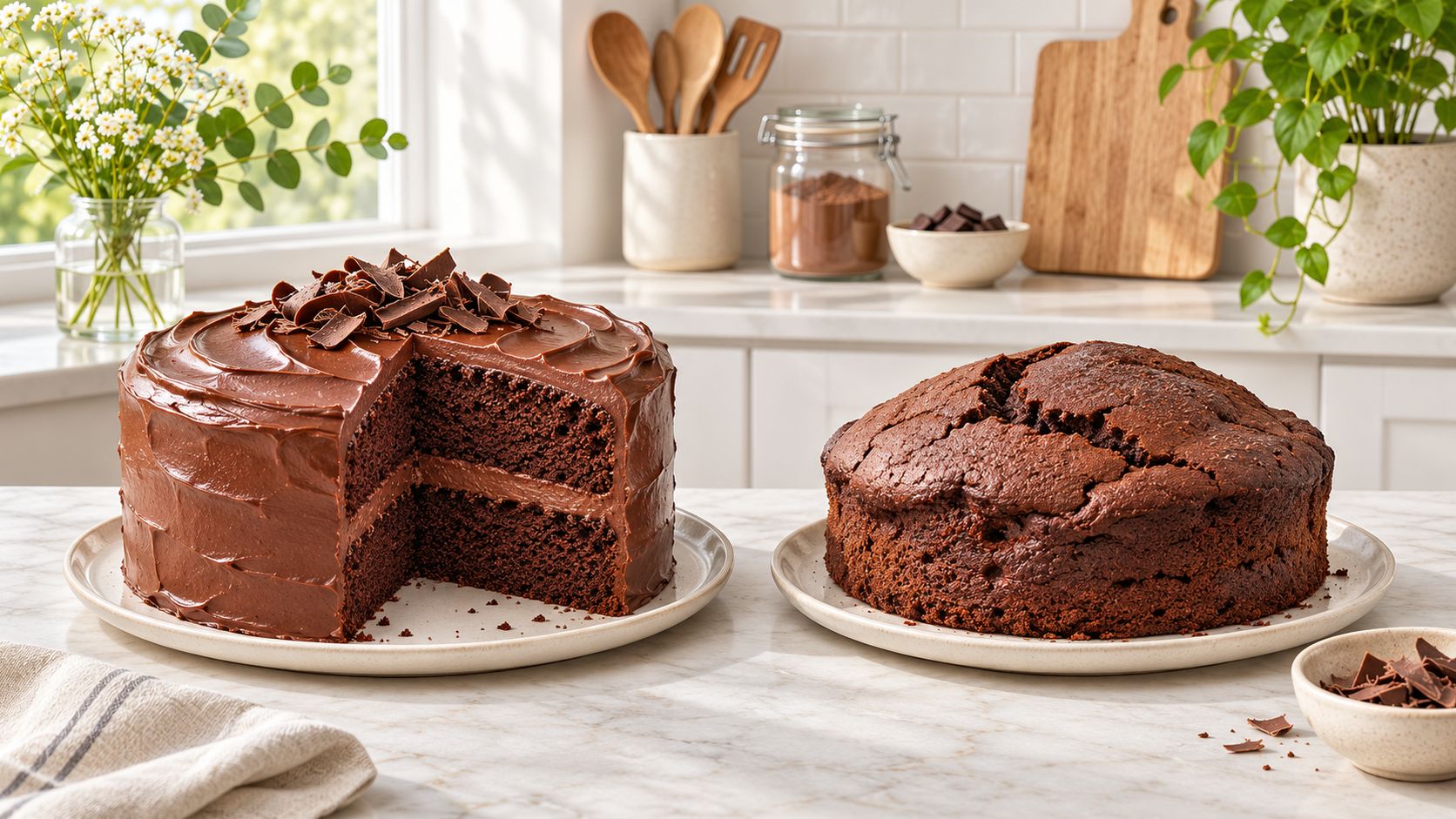
Picture two bakers working from the same recipe card, titled Chocolate Fudge Cake. One reaches for dark cocoa and bakes it low and slow. The other grabs a milk-chocolate blend and cranks up the oven.
Both cakes carry the same name, but they taste nothing alike. The ingredients and the baker's decisions shape the result. A cannabis strain name works in much the same way.
What a Strain Name Actually Signals
Most people use "strain" to mean a cultivar name, a label that points toward a general style. It might hint at a plant family, a flavor direction, or the kind of feeling a grower hopes to create. What it doesn't do is promise a fixed recipe.
Here's the catch: there is no national standard for how strain names get assigned in the United States. The same name on two different packages can describe two very different products.
Why the Same Plant Can Change
Even a single cultivar can shift from one harvest to the next. Research shows that a cannabis plant's cannabinoid profile can vary depending on where and when it was grown and harvested. Outdoor growers face a new set of weather every season, and harvest timing leaves its own mark on the finished material.
A strain name tells you the title of the recipe. It doesn't tell you the oven temperature or the cocoa.
Why Familiar Names Can Mislead
Plenty of shoppers assume that a familiar name guarantees a familiar experience. That assumption feels sensible, but it falls apart once the plant becomes an edible. Extraction, blending, and formulation can change the chemistry long after harvest.
Treat the name as a starting point, not a verdict. Pair it with the ingredient list and the stated active compound per serving. Those details tell you far more about what you'll actually eat than the name on the front ever will.
Labels like Thrasher show how a mushroom name can suggest a story without proving what's inside an edible. If you want to see that gap for yourself, compare cubensis strain potency claims.
Keeping the Kitchen Picture in Mind
Go back to those two cakes. The title is only where things start, while the ingredients and the method do the real work. The cannabinoids and terpenes are those ingredients, and they're the next thing worth looking at closely.
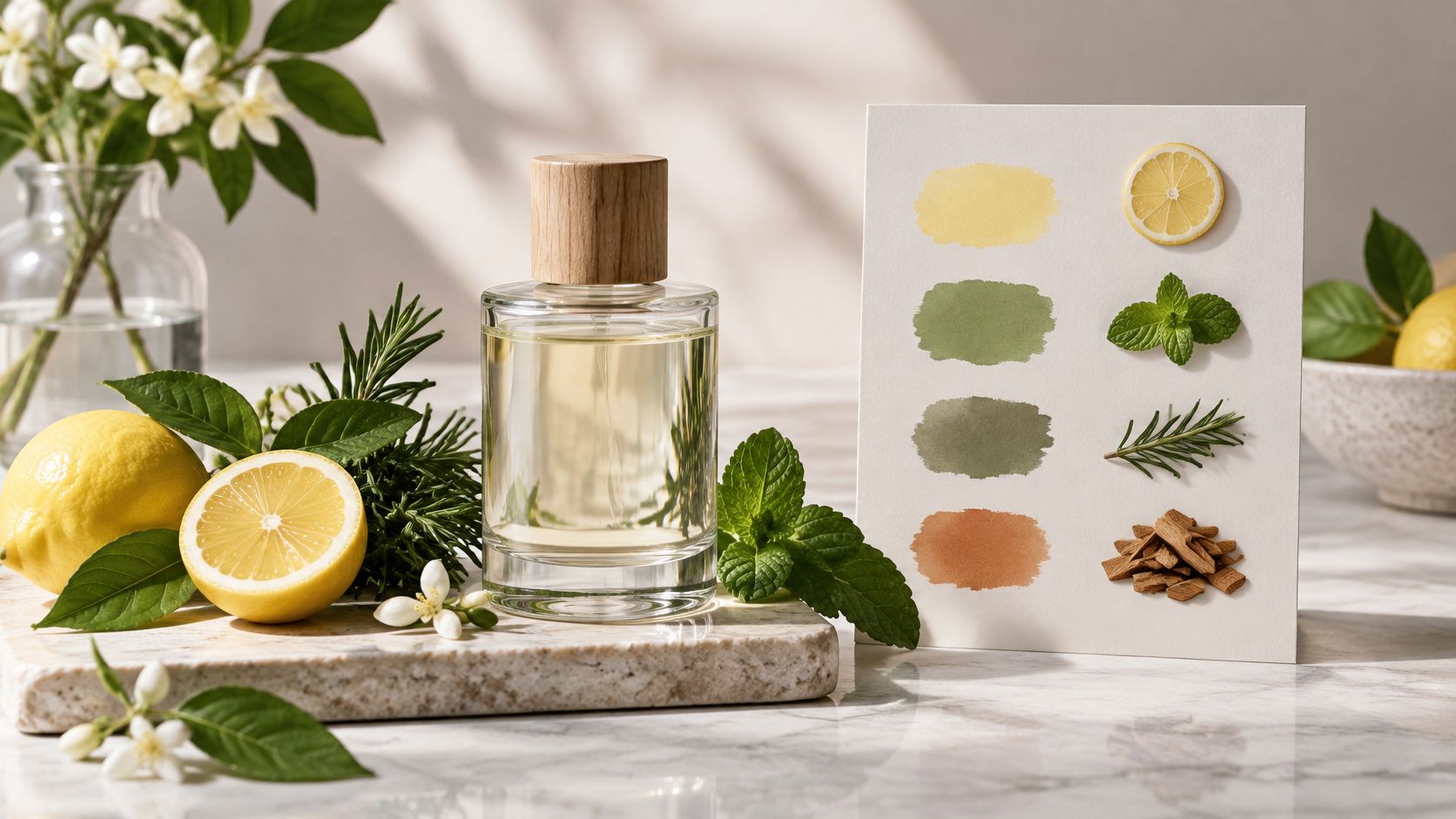
Think of a strain name as the headline on a concert poster. It grabs your attention, but the band playing that night is what really matters. The lead singer's name may be in big letters, yet the rest of the lineup shapes how the show actually sounds.
So, do edibles really come in different strains in a way that counts? Yes, though the difference shows up in the ingredient mix, not just the name printed on the package.
The Two Compounds That Do the Heavy Lifting
Two groups of compounds handle most of the work in any edible. Once you know what each one does, a product label becomes much easier to read.
- Cannabinoids are the compounds most closely linked to how a product affects the body, with THC and CBD as the best-known examples.
- Terpenes are aromatic compounds responsible for flavor and smell. They may also play a role in how a product feels.
A name points you in a direction. The chemistry tells you what you are actually getting.
Grouping Products by Terpenes Instead of Labels
You have probably seen indica, sativa, and hybrid labels on shop menus for years. Many people now find it more useful to sort products by their dominant terpene combinations instead.
Products that taste alike often share similar chemical patterns, even when their names look nothing alike. If two edibles both taste citrusy and piney, they may have more in common than their titles let on.
Why Similar Chemistry Is Not a Guarantee
Matching chemistry is a good hint, but it is not a promise. Dose, absorption, and formulation all shape the outcome. Two products that look almost identical on paper can still feel noticeably different.
Growing conditions matter too. Metro Mush's own Hillbilly Pumpkin (HBP) grow tends to produce higher potency levels, which shows how cultivation can change what a named product delivers.
How to Read the Chemistry on a Label
A few quick checks will help you look past the name:
- Check the cannabinoids listed on the label and their amounts per serving.
- Look for terpene mentions that point to the dominant aroma profile.
- Compare the flavor claims with the ingredient list to confirm the description matches what is inside.
A Quick Example From the Menu
Picture two gummies with the same THC count. One lists a bright citrus flavor and a dominant terpene. The other lists only a sweet fruit flavor.
The first one gives you far more to compare.
Once you start reading the chemistry, the name becomes a clue rather than a verdict. Bring that habit to every menu, and the name turns into just one part of the story.
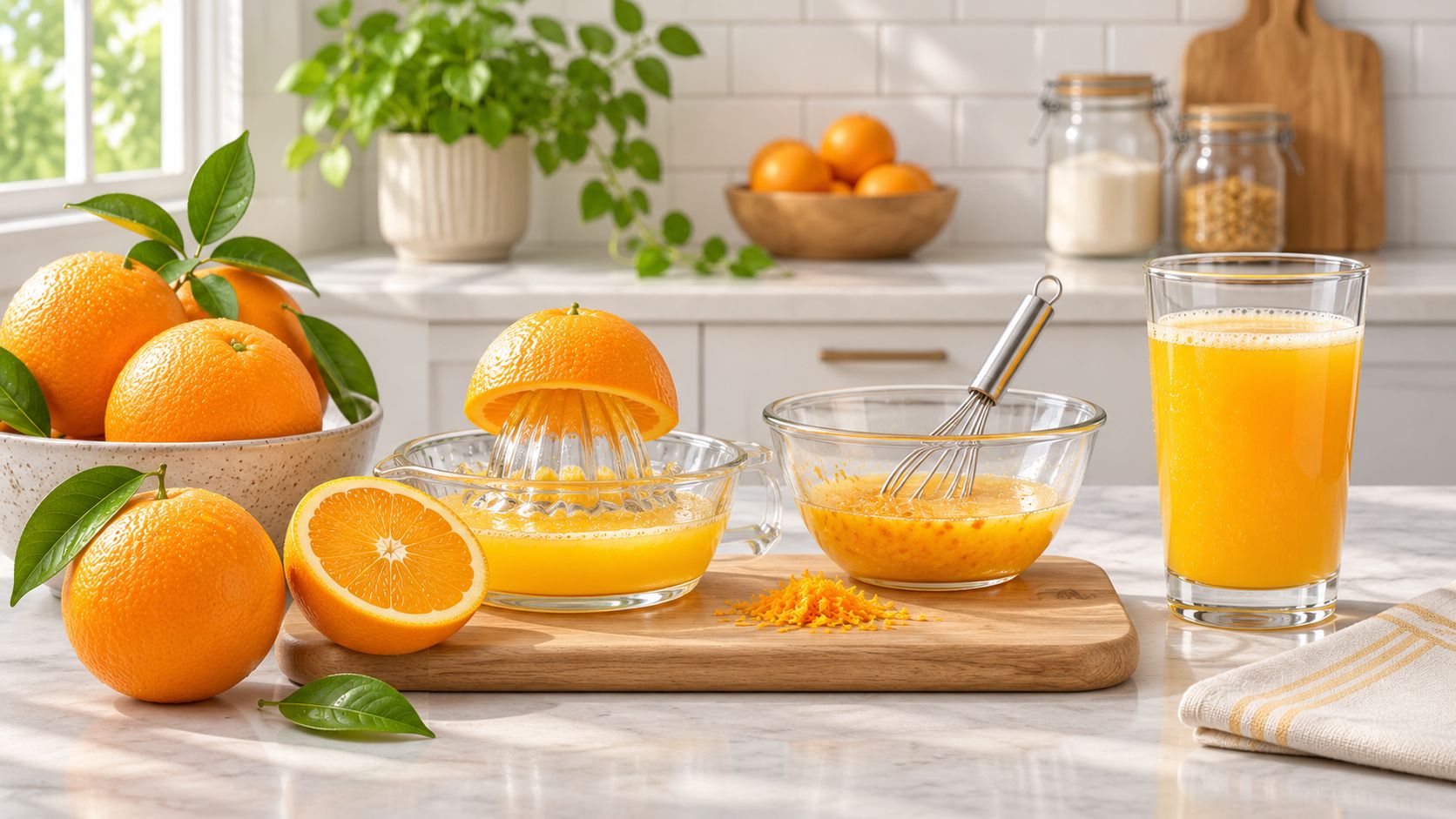
Picture a whole orange next to a glass of its juice. The juice still tastes like oranges, but a good portion of the fragrant peel oil never made it into the glass. Squeezing and handling cost it some of its original character.
Edibles follow a similar path. Each step between the plant and the package can strip away, concentrate, or swap out the aromatic compounds that give a product its smell and personality. So do edibles keep a strain's character once they reach the shelf? The honest answer is that it depends almost entirely on how they were made.
Where an Edible Starts
Every edible begins with its starting material, whether that's cannabis flower or dried mushrooms. Even two batches of the same named plant can arrive with different profiles, and that's the first variable you'll run into.
The Four Stages of Making an Edible
Most edibles move through a similar sequence:
- Starting material: The plant or mushroom is selected and prepared.
- Extraction or infusion: Active compounds are pulled out or blended into an oil, butter, or other base.
- Flavoring and carrier ingredients: Sweeteners, fats, and flavors are added to make the product tasty and consistent.
- Portioning: The mixture is shaped into a bar, gummy, or drink and divided into doses.
Each stage gives the maker a decision to make, and each decision nudges the final result a little one way or another.
How Heat and Pressing Change Aroma
Heat is one of the most common culprits. Many aromatic compounds are sensitive to temperature, so they can fade during cooking or baking. Pressing and filtering can also leave the lighter scent notes behind.
The name on the label describes the intended style. The processing decides how much of that style makes it into the package.
Why Flavor Gets Added Back
When aroma is lost, producers often add flavoring to bring back the original profile. A citrus gummy may taste bright even if the base oil was quiet in that department. That's why a product can taste familiar while still being quite different underneath.
Metro Mush's artisans craft and develop their edibles, so choices like flavor, fat base, and portion size are made on purpose. Those decisions shape what you actually eat.
Reading the Ingredient List Matters
Two edibles with the same name can be built very differently. The ingredient list tells you a lot about the extraction method, the carrier, and the flavorings used.
It's also the quickest check you can make, and it takes less than a minute. Look closely at the carrier oil, any added flavors, and the serving size before you glance at the price.
Curious how pre-portioned and freeze-dried formats change what ends up in the package? Read our guide to freeze-dried edibles to see how these different formats are built.
Theory only goes so far. Let's look at how real products from Metro Mush's current lineup differ in format, flavor, and portion structure.
Start with the Format
A chocolate bar, a gummy, and a drink can all carry a mushroom name. Still, each one delivers the experience in its own way.
Format is the first thing worth comparing, because it shapes how you eat and how you portion each product. Think of it like coffee: an espresso and a latte come from the same beans, but they're clearly different drinks. Mush Love Shroom Gummies, Mush Love Chocolate Bars, and Rocket Fuel drinks work the same way, giving you three very different everyday experiences.
Compare Prices Across the Lineup
Price is the quickest filter, though it only tells part of the story. Across the edibles covered here, listed prices run from $35.00 for a Fungi Fruit Chews flavor up to $55.00 for the Trippy Treats 7Grams Shroom Bar.
Flavor and Portion Differences
Flavor is where products tend to diverge the most. Fungi Fruit Chews come in Raspberry, Strawberry, Blackberry, and Kiwi, so the same format can taste quite different from one flavor to the next.
- Moon Bars are pre-portioned for easy customization, with flavors including Reese's Pieces, Caramel Pretzel, Cookies & Cream, Mint Chocolate, and Fruity Pebbles, plus a Clear option.
- Rocket Fuel Shroom Drink is listed at $40.00 and comes in multiple variants.
- Mush Love Shroom Chocolate Bar is listed at $40.00, which makes it a useful comparison against the gummies at $45.00.
Pre-portioned bars make it easier to see where one serving ends. Portion structure can matter just as much as the name on the label, so it's worth a close look.
Putting the Lineup Side by Side
The table below groups verified Metro Mush listings so you can compare formats, flavors, and portion sizes at a glance.
Listed Metro Mush Edible Formats and Prices
| Product | Listed Price | Format and Variants |
|---|---|---|
| Mush Love Shroom Gummies | $45.00 | Gummies |
| Mush Love Shroom Chocolate Bar | $40.00 | Chocolate bar |
| Trippy Treats 7Grams Shroom Bar | $55.00 | Bar |
| Fungi Fruit Chews 4 Grams | $35.00 each | Raspberry, Strawberry, Blackberry, Kiwi |
| Rocket Fuel Shroom Drink | $40.00 | Drink, multiple variants |
| Moon Bars | See menu | Pre-portioned; Reese's Pieces, Caramel Pretzel, Cookies & Cream, Mint Chocolate, Fruity Pebbles, Clear |
A name on the wrapper tells you only so much. Format, flavor, and portion size show how a product will actually fit into your routine.
Once you've scanned the table, focus on the details that matter most to you. If chocolate is high on your list, you might also enjoy our guide to Metro Mush's magic mushroom chocolate bars.
Prices and availability change from time to time, so double-check the current details on the Metro Mush menu before you buy.
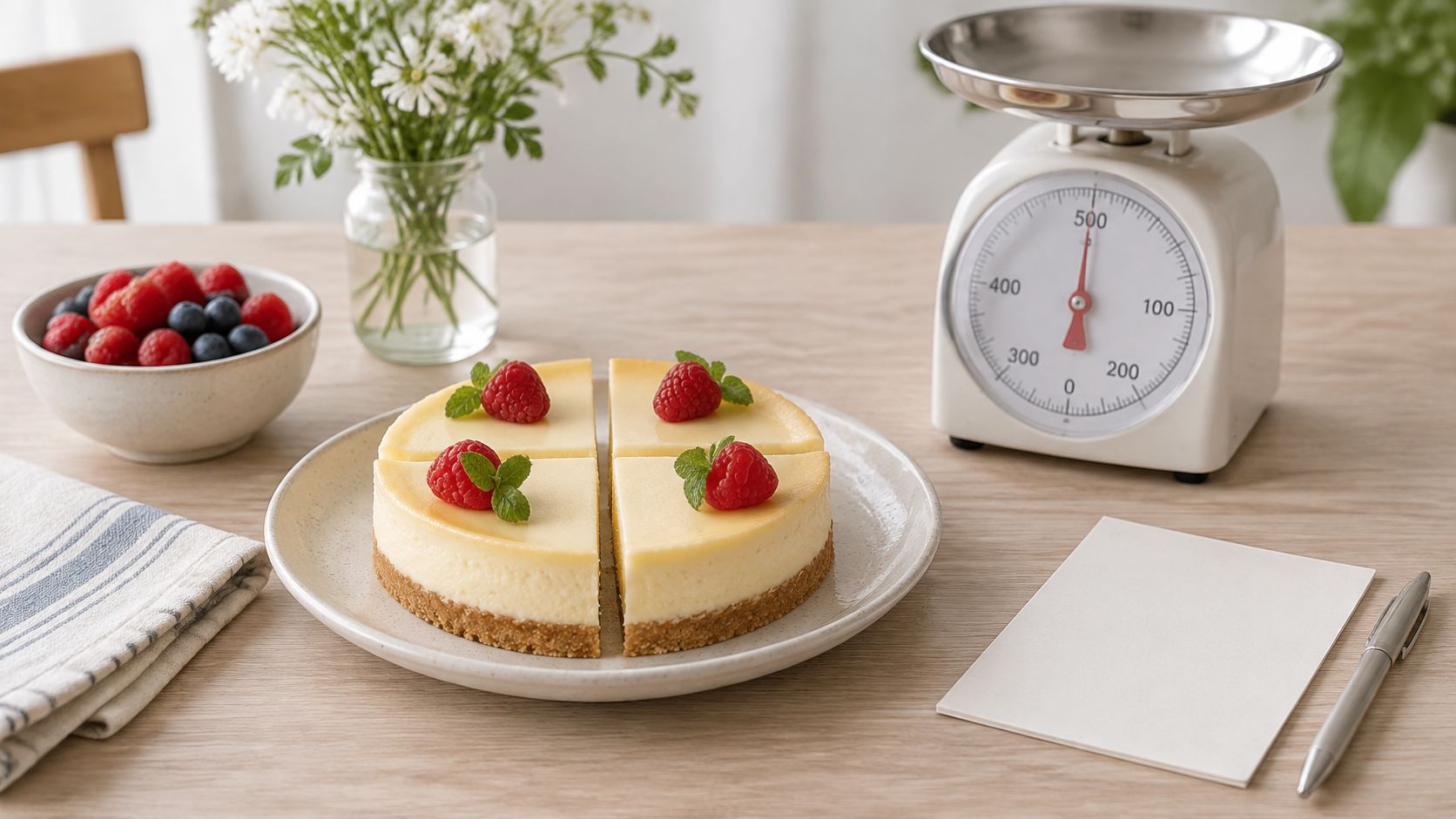
A strain name can tell you plenty about a product's vibe, but it can't tell you how much you're actually eating. With edibles, the number that changes your experience the most is usually the dose.
So do edibles have different strains that really matter? In most cases, the biggest difference is how much each piece delivers.
What the Labels Often Miss
Testing of commercial cannabis edibles has turned up a pattern: the labeled amount and the measured amount don't always match. In one analysis, the median labeled THC was 10 milligrams, while the median measured amount came in at 9.3 milligrams.
On paper, that gap looks small. Still, it's a good reminder that a label is an estimate, not a promise. That's why the stated amount on any product deserves a second look.
A recognizable name does not guarantee a predictable dose.
When the Gap Gets Wide
Other testing tells a rougher story. A study of delta-8 and delta-9 edibles found results ranging from 288 milligrams below to 5,491 milligrams above the advertised amounts.
No need to panic over it. The real lesson is that the name on the wrapper is the least reliable clue about how much you're actually consuming.
Four Checks Before You Buy
Before you add anything to your cart, run through a quick routine. It takes less time than reading a menu description twice.
- Active compound per serving: Look for the stated amount in each serving, not just the total for the package.
- Servings per package: Divide the total by the serving count to see what one piece really holds.
- Other compounds: Check whether the product lists anything beyond the main active ingredient.
- Independent testing: Confirm whether a third-party lab report is available for the batch.
Read the dose before you read the name.
Let Pre-Portioned Formats Help
Pre-portioned formats make serving sizes easier to see. Metro Mush offers Moon Bars that are pre-portioned for easy customization, which makes it simpler to keep track of how much you're taking. Clear pieces also give you a visual cue about where one serving ends.
Start Low and Wait
Starting with a small amount gives you room to learn how a product feels. Edibles can take a while to kick in, so patience matters most here. Waiting before you take more is the habit that prevents most bad surprises. Keep notes on how each product made you feel so you can compare next time.
Want a closer look at the dosing basics? Read our guide on how to dose magic mushrooms before trying a new product. It walks through the basics step by step.
So do edibles really come in different strains? They do, but the strain name is only where you start. The details printed on the package tell you much more about what you're actually eating.
A Five-Step Decision Routine
Run through this quick checklist at any shop or on any online menu:
- Read the ingredient list. Make sure you know what the edible is actually made with.
- Check the active compound. Look for the stated amount per serving.
- Confirm the serving size. Divide the total by the number of servings.
- Look for testing information. A batch-level lab report shows what the product really contains.
- Compare formats and portions. Pre-portioned bars make it much easier to track your dose.
Think of it like reading a nutrition label before grabbing a snack. The flavor name gets your attention, but the numbers tell the real story.
Each check takes less than a minute. After a few visits, the routine becomes second nature, and you'll start noticing differences that no strain name would ever reveal.
The label's details matter more than its name.
Approach New Products with Caution
Start with a small amount, then wait before you take more. Edibles often take a while to kick in, so patience matters here more than almost anywhere else.
Keep notes on each product you try. That way, you can compare results next time. Mixing several products at once makes it hard to tell which one caused a reaction.
Adults should use these products responsibly. Psilocybin products should never be used in unsafe situations, such as while driving.
Ask Questions Before You Order
Still have questions? The Metro Mush team is happy to help by phone or text.
Detroit Metro: 734-691-6122
Ann Arbor Metro: 734-280-2868
Questions about formats, portions, or the current menu are always welcome here.
Ready to put these tips into practice? Metro Mush offers a curated selection of mushroom edibles for adult consumers. Explore the Metro Mush menu today.