
You type mushroom suppliers near me, hit search, and get a mess back. One result is a farm stand selling shiitake. Another is a grocery directory. Another is a wellness article that never tells you where adults in Southeast Michigan are finding psilocybin products.
That frustration makes sense. Searching for culinary mushrooms and searching for magic mushroom suppliers are not the same task, and most local guides still pretend they are.
Why Your Search for Mushroom Suppliers Is Complicated
Most search results lump every mushroom category together. You’ll see oyster, lion’s mane, farmers market listings, grow kits, and generic supplement brands all mixed into one page. That’s fine if you want dinner ingredients. It’s useless if you’re trying to find a psilocybin supplier in Detroit or Ann Arbor.
The bigger issue is the information gap. A documented underserved angle in searches for mushroom suppliers is the lack of useful information on legal psilocybin dispensaries and delivery services, while most content focuses on gourmet edible varieties. The same source notes that decriminalization has moved forward in places like Oregon and Colorado, while Southeast Michigan remains a gray area that most online guides fail to explain clearly (report on the psilocybin information gap).
That’s why ordinary search habits don’t work well here. A broad search tends to surface businesses that are easy for search engines to classify. Psilocybin suppliers often aren’t described in the same tidy categories as grocery stores, produce wholesalers, or mushroom farms. If you’re browsing local options in Michigan, it helps to start with resources focused on the local scene, including guides to magic mushrooms in Michigan.
Why Southeast Michigan feels harder to navigate
Detroit and Ann Arbor have active interest, but the public-facing information is still thin. Some suppliers keep a low profile. Others rely on community channels more than polished directory listings. A lot of newcomers mistake this for a sign that nothing legitimate exists locally.
That’s not the right read.
The primary problem is that visibility and trust are disconnected. The easiest listing to find isn’t always the safest. The safest option might not show up in a basic map search at all.
Practical rule: If a search result looks built for tourists, foodies, or supplement shoppers, it probably won’t answer the questions an adult psilocybin buyer actually has.
What works better than generic search results
Treat this like a category with its own rules. You’re not only asking, “Who sells mushrooms near me?” You’re asking:
- What kind of mushrooms are they selling
- How clearly they communicate product type and ordering
- Whether local adults can verify the supplier through community feedback
- How much guesswork the supplier removes
That difference is what separates a random search result from a useful local lead.
Your Digital Toolkit for Finding Local Suppliers
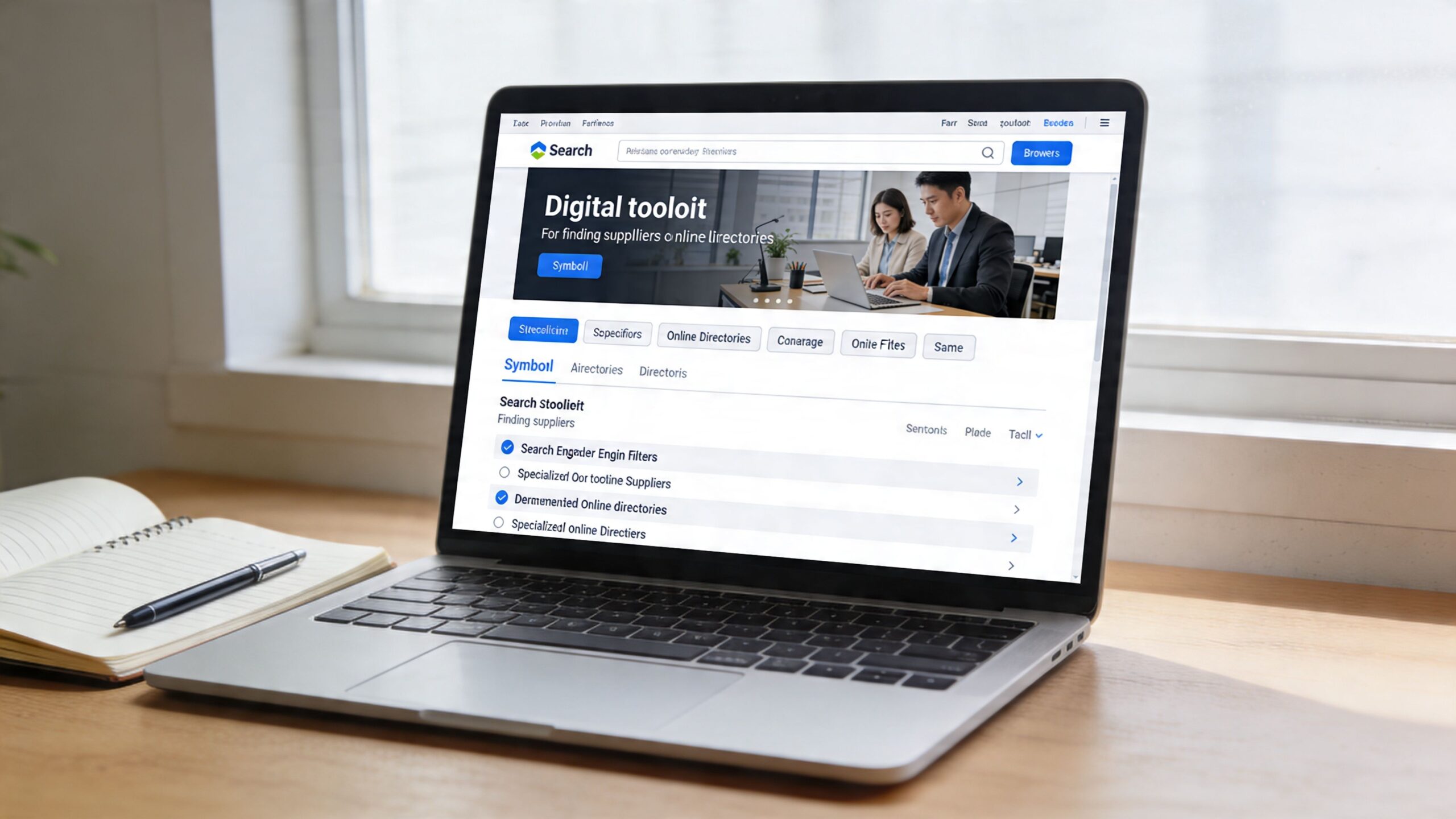
Search smarter, not broader. The plain phrase mushroom suppliers near me is too wide. It tells the internet almost nothing about what you're looking for, so you get mixed results.
A better approach is to build searches around location, format, and access method.
Search phrases that filter out the noise
Try searches that include your area and the kind of supplier you’re looking for:
- Detroit magic mushroom delivery
- Ann Arbor psilocybin supplier
- decriminalized mushroom delivery Michigan
- mushroom chocolates Detroit
- local shroom menu Ann Arbor
- text order mushrooms Detroit
Those searches won’t magically solve everything, but they do reduce the odds that you’ll end up in a rabbit hole of culinary farms and grow-your-own pages.
Look for digital signs of an actual operating supplier
A real local supplier usually leaves a pattern online, even if it’s not flashy. Useful signs include:
- A current menu with recognizable product categories like dried mushrooms, chocolates, drinks, or capsules
- Clear ordering instructions instead of vague “contact for info” language
- A defined service area such as Detroit Metro or Ann Arbor
- Direct communication channels like text-based ordering
- Active community presence on private or semi-private channels
As online discovery grows in importance across the broader mushroom market, Grand View Research projects the global mushroom market will reach USD 156,261.1 million by 2033, and notes that online stores are expected to grow at a 10.7% CAGR, with the U.S. holding 77.27% of North American revenue (Grand View Research mushroom market analysis). For local buyers, that means digital storefronts and online-first communication are no longer unusual. They’re becoming normal.
Don’t stop at Google
Public search is step one. Community validation is step two.
Private groups on Discord or Telegram often tell you more than a polished website can. You’ll learn whether a supplier is consistent, whether products match descriptions, and whether people report smooth communication. That kind of feedback is usually more useful than a generic directory mention.
The best local leads often come from repeated mentions in community spaces, not from whoever ranks first on a search page.
A simple evaluation table
| Search channel | Best use | Common weakness |
|---|---|---|
| Google search | Finding names, menus, service areas | Too many gourmet and supplement results |
| Maps listings | Checking locality and contact consistency | Often incomplete for psilocybin suppliers |
| Discord groups | Community feedback and current updates | Requires patience and filtering |
| Telegram chats | Fast local word-of-mouth | Can be noisy and uneven |
| Social profiles | Seeing whether a brand is active | Aesthetic posts can hide poor operations |
What to save before you order
When you find a possible supplier, keep a short note with:
- Service area
- Ordering method
- Menu format
- Response style
- Any repeat praise or warnings from community channels
That note-taking habit helps more than people expect. It keeps you from confusing a polished page with a dependable supplier.
How to Verify a Supplier Is Reputable and Safe
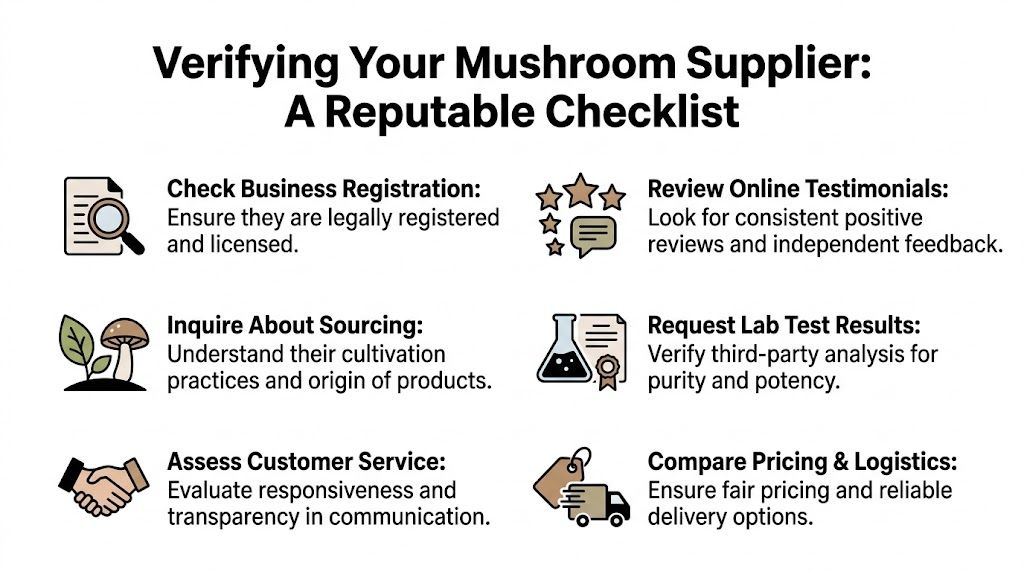
Finding a supplier is the easy part. Deciding whether they deserve your trust is the part that matters.
A lot of buyers still use the wrong test. They assume a supplier is safe because the menu looks clean, the photos look premium, or somebody in a chat said “they’re good.” None of that is enough on its own.
What a reputable supplier usually gets right
You want signs of process, not just style.
Look for these:
- Clear contact methods. If a business makes it hard to ask basic questions, expect problems after payment too.
- Product detail that means something. Good suppliers explain whether an item is dried fruit, chocolate, capsules, or drinkable product.
- Consistent communication. Replies don’t need to be instant, but they should be coherent, direct, and stable.
- No pressure tactics. A trustworthy supplier doesn’t rush you into buying more than you want.
- Willingness to discuss handling and storage. If they can’t explain how to keep products fresh, they probably aren’t careful upstream either.
Why consistency matters more than hype
The trade-off between trusted dispensary products and DIY or unverified sources is real. Verified background material notes that dispensaries can offer more consistent products, while home cultivation carries contamination risk of up to a 30% failure rate, along with potency variance of 20% to 50% per strain. The same material notes rising demand for verified low-dose edibles as microdosing interest grows (comparison of dispensaries and home-grow risks).
That doesn’t mean every supplier claiming quality is delivering it. It means you should value repeatability over marketing language.
Red flags that should stop you
Some warnings are obvious. Others are easy to rationalize when you’re eager to buy.
Here are the ones I’d treat seriously:
No usable contact path
If you can’t reach a real person or get a straight answer, move on.Vague menu language
“Premium products” means nothing. Product form and intended use should be easy to understand.Messy or contradictory ordering instructions
If the process changes every time you ask, that usually signals disorganization.Defensive answers to basic safety questions
A reputable operator doesn’t need to act insulted when asked about quality control.Overblown claims
If everything is framed as the strongest, rarest, most life-changing option, expect disappointment.
Better filter: Choose the supplier who reduces uncertainty, not the one who promises the most.
A quick vetting framework
| What to check | Good sign | Bad sign |
|---|---|---|
| Communication | Clear, calm, specific replies | Dodging simple questions |
| Menu clarity | Distinct product types and descriptions | All products sound the same |
| Customer feedback | Repeated local mentions over time | Only isolated praise |
| Safety mindset | Guidance on storage and dosing approach | “Just wing it” attitude |
| Ordering process | Simple and repeatable | Confusing, improvised, shifting |
Community proof beats polished branding
If several local adults describe the same supplier in the same way, that pattern matters. Maybe they mention reliable delivery windows, accurate edible strength, or straightforward problem-solving. That kind of overlap usually tells you more than a glossy site ever will.
A safe buying decision is rarely about one perfect signal. It’s about enough good signals lining up, with no major red flags breaking the picture.
Decoding the Menu Choosing Products and Doses
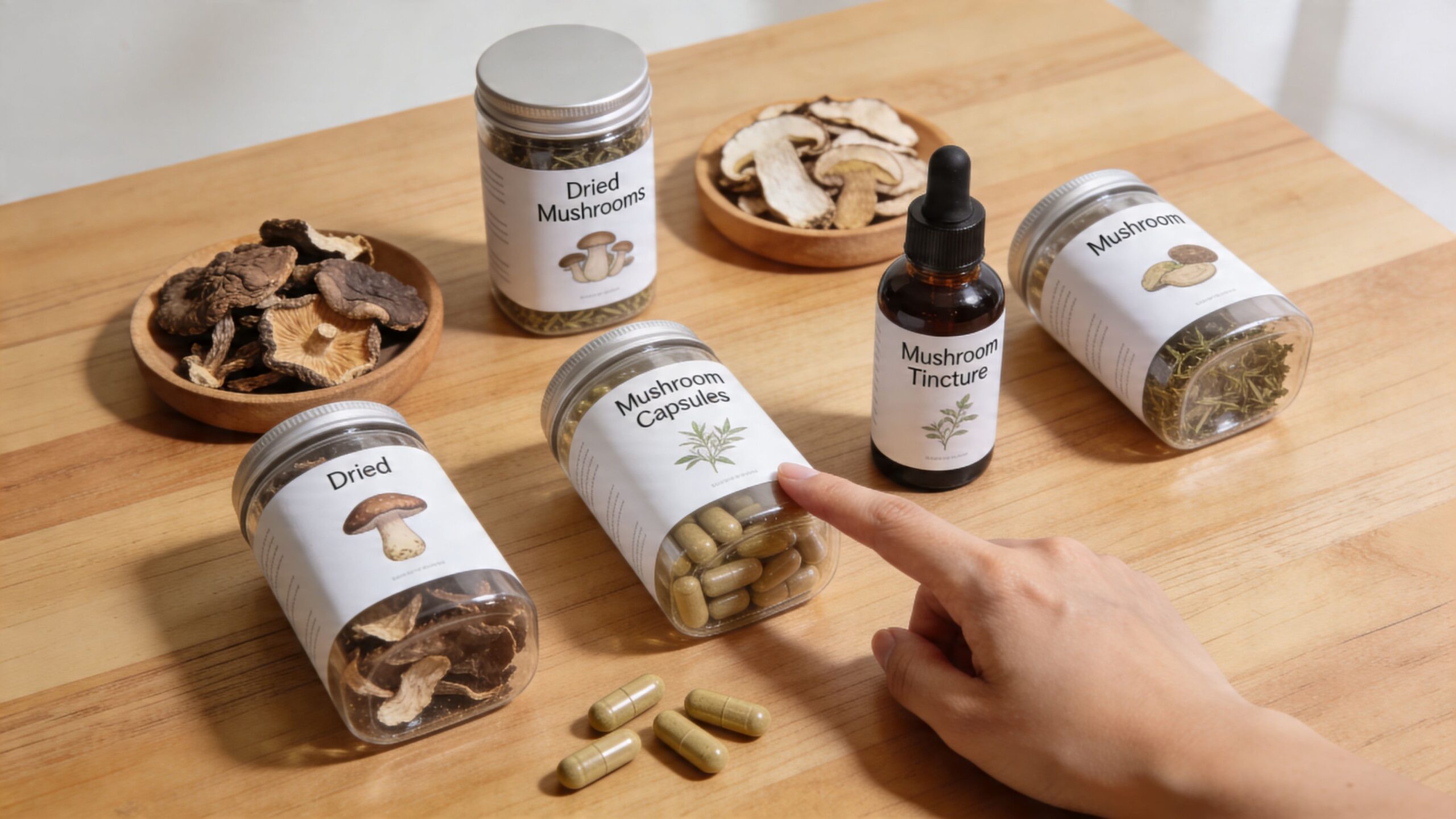
Once you’ve found a supplier you trust, the next mistake is buying the wrong format. Most menus look simple at first, but the fundamental choice isn’t just strain. It’s how you want the experience to feel and how much control you want over dosing.
Dried mushrooms versus edibles
For most local buyers, the menu usually splits into two lanes.
Dried mushrooms appeal to people who want the traditional format. They’re straightforward, familiar, and flexible. If you know how your body responds, dried mushrooms give you room to scale your dose carefully. Strain names such as Penis Envy get attention because experienced users often seek them out for potency and character.
Edibles work better for people who want convenience and a more measured approach. Chocolates, drinks, and similar products can be easier to portion and easier to fit into a routine. They also tend to feel more approachable for first-timers who don’t want to deal with taste, grinding, or eyeballing pieces of dried fruit.
If you’re comparing options, a focused category page for magic mushroom chocolate bars shows the kind of product grouping many buyers find easier to browse than a strain-heavy menu.
Why reputable edibles can be easier to dose
Reliable dosing doesn’t happen by accident. Verified cultivation guidance notes that reputable suppliers achieve consistency through sterile grain-to-bulk methods with controlled temperature and humidity, and reports an 85% success rate for strains like Penis Envy in controlled production. That consistency supports accurately dosed edibles, with lab testing used to confirm purity and psilocybin content (sterile cultivation methods for consistent potency).
For the buyer, the practical takeaway is simple. A well-made edible removes a lot of guesswork.
If you care most about predictability, choose the format that gives you the fewest variables.
A practical way to think about product choice
| Product type | Usually best for | Main trade-off |
|---|---|---|
| Dried mushrooms | Experienced users who want flexibility | Harder to estimate if you’re new |
| Chocolate bars | Newer users who want cleaner portioning | Can take longer to feel familiar |
| Drinks | Buyers who prefer a more approachable format | Not everyone likes the pacing |
| Capsules | People who want routine and discretion | Less tactile than traditional forms |
Dosing without bravado
The smartest buyers don’t chase intensity. They match the dose to the setting, their experience, and the product form.
A practical framework looks like this:
Microdose
Best for adults who want a subtle, manageable entry point. Especially useful when trying a new edible or a new supplier.Beginner recreational dose
Better reserved for a comfortable environment, free schedule, and no pressure to “perform.”Experienced dose
This only makes sense if you already know how a specific product type affects you and you trust the supplier’s consistency.
Different products land differently. A dried mushroom dose and a chocolate dose may feel different even when the intended strength sounds similar. That’s why experienced buyers often test a new menu item on a lower-stakes day instead of assuming the label tells the whole story.
What doesn’t work
A few habits reliably create bad experiences:
- Mixing formats too casually
- Redosing too fast because you think nothing is happening
- Buying the strongest-sounding strain as a first purchase
- Treating a social recommendation like a personal dosing plan
Plain, boring caution beats hype every time.
The Modern Ordering Process Explained
Local psilocybin buying in Southeast Michigan often works more like a direct-to-consumer delivery model than a walk-in retail experience. That’s a big contrast with the conventional mushroom trade, where large agricultural systems dominate. Pennsylvania alone accounts for 69% of total U.S. Agaricus mushroom sales volume, totaling 670 million pounds in the 2024-2025 season, according to Penn State Extension’s report on U.S. mushroom production. Local psilocybin access is much smaller, more nimble, and more personal.
What the order flow usually looks like
Most modern local suppliers keep the process simple:
Browse the menu online
Check product types, availability, and whether the supplier serves your part of Southeast Michigan.Decide before you message
Don’t open with “what do you have?” if the menu is already posted. Know what you’re asking for.Send a concise text
Include the product name, quantity, and your area. Clear messages usually get clearer replies.Confirm the basics
Ask about timing, pickup or delivery expectations, and any minimum order rules.Wait for direct coordination
Good suppliers keep this part straightforward. You shouldn’t need to decode cryptic instructions.
For buyers who want a concrete example of how local ordering works, this kind of process is reflected in guides on where to buy shrooms.
What to include in your first message
A good first text is short and complete. Something like:
- Your area so they know if you’re inside the service zone
- The exact product you want
- How many units you want
- Any simple clarification if needed, such as whether you’re deciding between two formats
What works and what doesn’t
| Approach | Result |
|---|---|
| Sending a clear, specific order | Faster, cleaner response |
| Reading the menu first | Less confusion |
| Asking focused questions | Better communication |
| Vague late-night texting | Slower replies and mistakes |
| Changing the order repeatedly | More friction than it’s worth |
Discreet ordering isn’t complicated once you stop expecting it to behave like a grocery app. It’s closer to using a local specialty service. The smoother you are, the smoother it usually goes.
Unlocking Value with Promotions and Memberships
Good buyers don’t just look at the menu price. They pay attention to how a supplier rewards repeat customers and whether the deals make sense for the way they buy.
A strong local supplier usually gives value in two ways. First, they run straightforward specials that reduce the cost of trying multiple products. Second, they build a community channel where regulars hear about drops, changes, and perks before casual buyers do.
Why community access matters
A discount is nice. Ongoing access is better.
If a supplier has an active member space, especially on Discord, that often tells you they’re trying to build a repeat customer base instead of treating every order like a one-off transaction. That tends to lead to better updates, smoother communication, and a clearer sense of what products are worth buying.
Buyers who stay plugged into a supplier’s community usually make better purchase decisions than buyers who only show up when they want something immediately.
What to look for in a worthwhile promotion
Not every deal is useful. The best ones usually have one of these traits:
Mix-and-match flexibility
Better than a discount tied to one single item you may not even want.Loyalty or membership access
Useful if you buy regularly and want updates without hunting for them.Meaningful standing discounts
Ongoing appreciation offers are often more valuable than random flash promotions.
For example, some local programs include bundle-style specials, a standing 10% discount for veterans, fire, and police, and a larger 20% discount for people who join the supplier’s Discord community. Those are the kinds of perks that reward consistency, not impulse.
The real advantage
Promotions aren’t only about saving money. They also give you room to sample formats intelligently. That matters when you’re deciding whether you prefer dried mushrooms, chocolates, or drinks.
A buyer who uses promotions well usually ends up with more useful product knowledge, fewer rushed buys, and a better sense of which supplier is worth sticking with.
Common Questions About Buying Mushrooms Locally
What’s the biggest red flag in a supplier
The biggest one is vagueness. If you can’t get clear answers about product type, ordering, service area, or basic handling, you’re already being asked to accept too much uncertainty.
A close second is disorganized communication. Confusion before the order often becomes frustration after the order.
Is it better to buy dried mushrooms or edibles first
For many cautious buyers, edibles feel easier because they’re simpler to portion. For people who already know what they’re doing, dried mushrooms offer more flexibility.
The right answer depends on whether you value familiarity or control.
How should I store what I buy
Keep dried mushrooms in a cool, dark, dry place with the container sealed well. Keep edibles sealed and protected from heat and light. The point is simple. Moisture, heat, and light are usually the enemies of freshness and consistency.
If a product arrives and the packaging already seems sloppy, treat that as useful information about the supplier.
Should I trust home-grow kits instead
Some people like the DIY route, but it comes with more room for contamination, inconsistency, and legal risk depending on where you are. If your main priority is predictable experience, vetted supplier products are usually the cleaner path.
How do I approach dosing safely
Start lower than your ego wants to. Don’t combine products casually. Don’t redose quickly because you’re impatient. Give yourself a calm setting and enough time.
The safest dosing habit is boring on purpose. Start modestly, wait, and learn one product at a time.
Is community feedback actually useful
Yes, if you treat it like pattern recognition instead of gospel. One glowing comment means very little. Repeated reports from local adults that line up on the same points are much more useful.
What should I ask before placing a first order
Keep it basic:
- What formats are available right now
- What’s the ordering process
- What area do you serve
- How should I store the product
- Which option is easier for a cautious first-time buyer
Those questions tell you a lot about how the supplier operates. Clear answers usually signal a more mature operation.
If you’re in Detroit or Ann Arbor and want a straightforward local option, Metro Mush offers a curated psilocybin menu with dried mushrooms, chocolates, drinks, clear text-to-order access, and regular community deals. It’s a practical place to start if you want less guesswork and a smoother local buying process.