The first time I found chanterelles, they looked almost unreal. Bright gold against wet moss, tucked under leaves like the forest was hiding little lanterns.
For a lot of people, chanterelles are the perfect first step into mushroom wellness because they're legal, familiar, and powerful without being psychoactive. If you're curious about fungi in general, including functional and psychedelic conversations, chanterelles are one of the safest places to begin.
The Golden Treasure of the Forest Floor
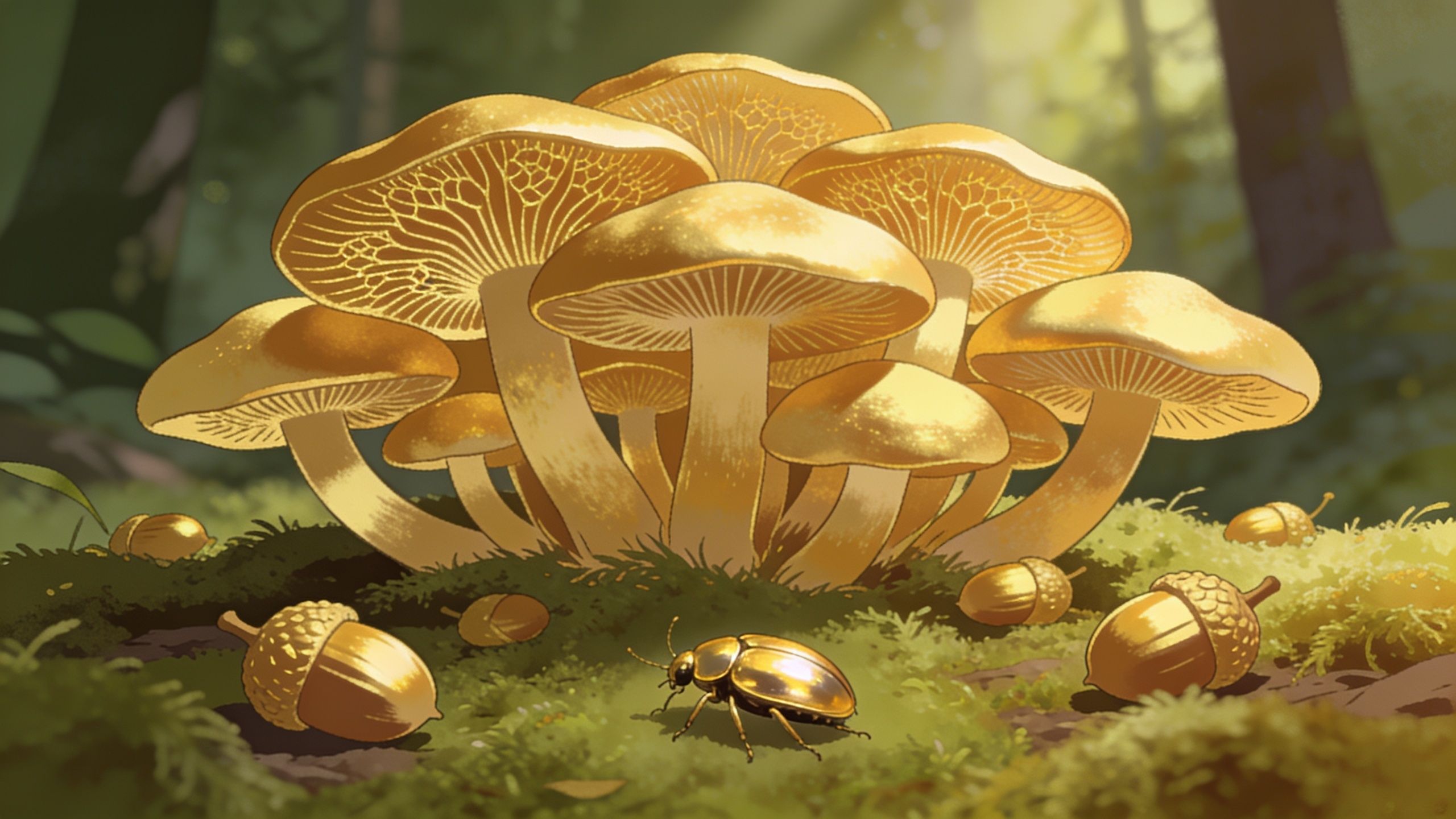
Chanterelles don't look like the standard grocery store mushroom. They're wavy, trumpet-shaped, and often glow in shades of yellow to deep golden orange. That unusual shape is part of why people fall in love with them so quickly. They feel wild in the best way.
For mushroom-curious adults, that matters. A lot of people hear “mushrooms for wellness” and immediately think of lion's mane, reishi, or psilocybin. Chanterelles belong in that broader conversation, but from a different angle. They offer real nutritional value, interesting bioactive compounds, and a long culinary history, yet they don't bring the legal or psychoactive questions that come with magic mushrooms.
Why they matter to wellness-curious readers
If you're hesitant about stronger mushroom experiences, chanterelles make sense as a starting point. You can cook them for dinner, learn how different fungi affect the body, and build some mushroom literacy without crossing into altered-state territory.
That bridge is useful because many people don't want the same thing from every mushroom. Sometimes you want taste. Sometimes you want nutrient density. Sometimes you want a functional food that feels grounded and low risk.
Chanterelles are a good reminder that the mushroom world is much bigger than one category. Some fungi belong in a sauté pan, some in a supplement routine, and some in a very different legal and personal context.
More than a chef's ingredient
Chefs prize chanterelles for flavor, but the primary chanterelle mushrooms benefits go beyond taste. They've earned a reputation as a nutrient-dense wild food, and that's what makes them interesting even for people who aren't big into cooking. Think of them as an edible introduction to functional fungi.
They also teach a useful lesson. Not every “powerful” mushroom has to be psychoactive. Some are powerful because they support everyday health in a practical, repeatable way. Chanterelles sit firmly in that camp.
A Nutritional Profile That Outshines The Rest
Nutritionally, chanterelles punch far above their weight. They are one of the clearest examples of how a gourmet mushroom can also function as a useful everyday food. For readers who are curious about mushrooms but not ready to sort through supplement stacks or the legal questions around psychedelics, that matters. Chanterelles offer a grounded place to start.
The standout nutrient is vitamin D. That catches people off guard because very few foods contain much vitamin D naturally, and mushrooms are one of the rare exceptions. Wild chanterelles are especially interesting here because their exposure to sunlight in the forest helps shape that nutrient profile.
The numbers worth knowing
According to FoodStruct's chanterelle nutrition profile, chanterelles provide up to 5 micrograms of vitamin D per 100 grams. The same source notes that one cup, about 54 grams, delivers 2.86 micrograms of vitamin D, about 14% of daily intake, plus 1.87 mg of iron, 23.38% DV, while containing just 17 calories.
That is a useful combination. You get a food that feels light on the plate but still contributes meaningful nutrients. If you already read about broader wellness questions, such as whether mushrooms help support better sleep habits, chanterelles fit the same practical category. They are not mysterious. They are a smart ingredient with more going on than their delicate texture suggests.
Why vitamin D gets so much attention
Vitamin D helps your body absorb calcium, which supports bone strength over time. A simple way to picture it is this: calcium is the raw building material, and vitamin D helps your body put that material to use.
That same nutrition data also identifies chanterelles as notable among wild mushrooms for vitamin D content. For people who spend little time outdoors, eat few vitamin-D-rich foods, or just want more variety in their diet, chanterelles can fill a real gap.
Practical rule: A food that tastes rich, stays low in calories, and adds vitamin D is worth keeping in regular rotation.
More than one useful nutrient
Vitamin D gets the headline, but chanterelles are not a one-nutrient food.
They also provide iron, which helps your body move oxygen where it needs to go. That matters for steady energy, especially if your diet is light on iron-rich foods. The same nutrition entry also lists fiber, a small amount of protein, and very little fat. In real life, that means chanterelles slide easily into different eating styles without making a meal feel heavy.
They also contain copper and B vitamins such as niacin and pantothenic acid. Those nutrients help with energy metabolism and nervous system function. This is part of why chanterelles feel more substantial than their calorie count suggests. They are light, but they are not empty.
Why this matters in the bigger mushroom conversation
People often split mushrooms into separate boxes. One box is culinary. Another is functional. Another is psychoactive. Chanterelles remind you that those lines can be more connected than they first appear.
They are safe, legal, familiar, and easy to use in food. At the same time, they introduce the idea that mushrooms can do more than add flavor. They can contribute vitamins, minerals, fiber, and bioactive compounds in a form that feels normal and approachable. For a wellness-curious reader, that makes chanterelles a strong entry point into the wider fungi world.
A simple summary looks like this:
- For bone support: vitamin D helps the body use calcium.
- For energy metabolism: iron, copper, and B vitamins all play a role.
- For everyday wellness: fiber and mushroom polysaccharides add nutritional depth.
- For easy meal planning: chanterelles stay low in calories and pair well with richer foods.
That last point is easy to miss. Some nutrient-dense foods feel like homework. Chanterelles do not. They taste luxurious, cook like a treat, and still earn their place as a serious whole food.
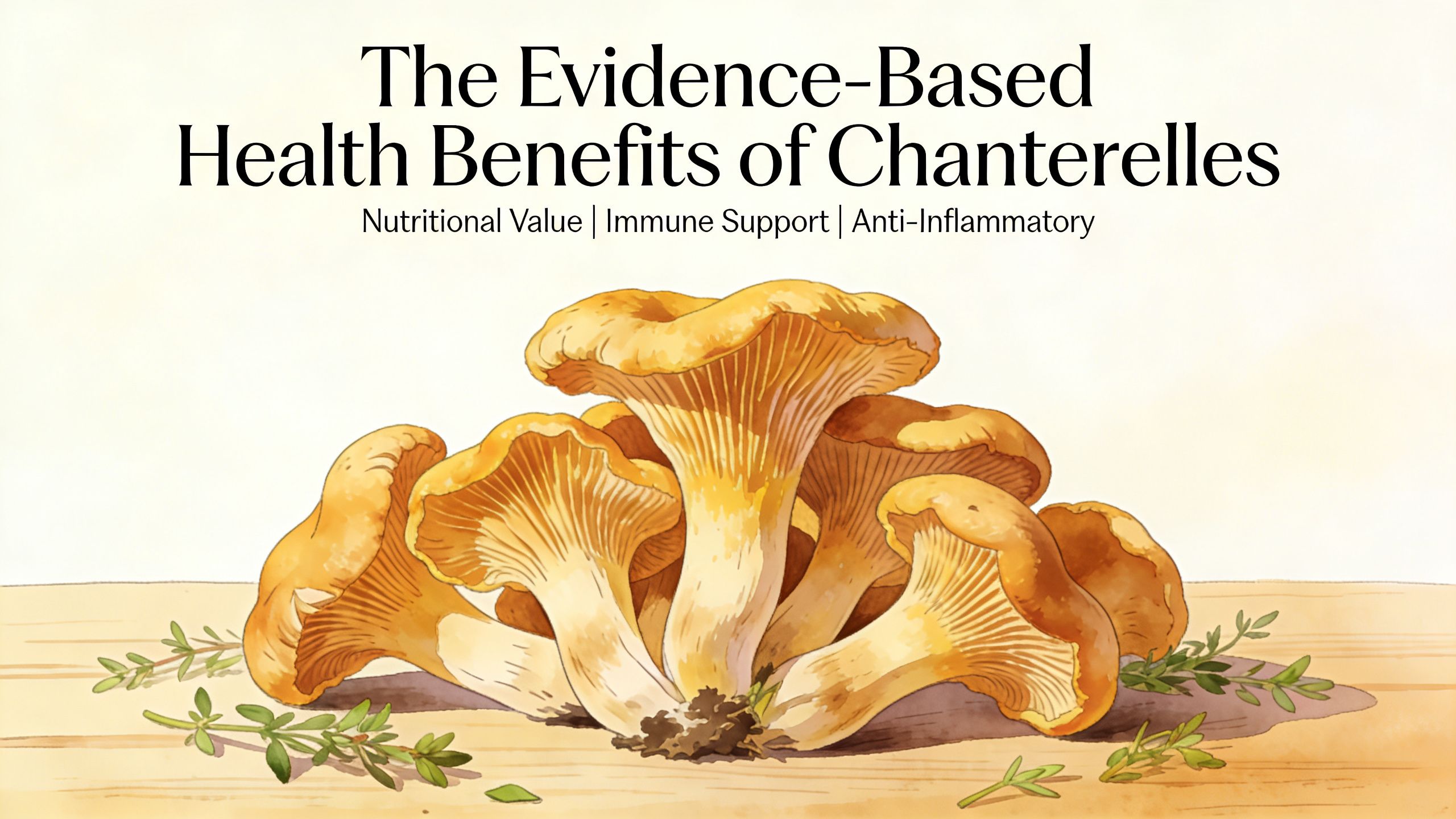
The Evidence-Based Health Benefits of Chanterelles
Many people first encounter chanterelles on a plate rather than in a wellness conversation. Then a second question follows quickly. Are they just delicious, or do they do something for you?
The useful answer sits in the middle. Chanterelles are not a cure-all, and they are not just fancy garnish either. They are a safe, legal, food-based way to explore what mushrooms can offer beyond flavor. For readers who are curious about the wider fungi world, including functional mushrooms and even psychedelic research, chanterelles are a grounded place to start.
Antioxidant support in plain English
Your body deals with small amounts of cellular wear every day. Hard workouts, stress, poor sleep, and normal metabolism all add to that burden. Antioxidants help limit some of that damage, more like routine maintenance than an emergency repair crew.
As explained in this overview of chanterelle health benefits, test-tube research has identified compounds in chanterelles such as beta-carotene, flavonoids, and polyphenols that can help neutralize free radicals.
That finding is easy to overread, so it helps to stay practical. Eating chanterelles does not turn dinner into medicine. It does suggest that chanterelles belong with other whole foods that may support the body's defenses against oxidative stress over time.
Inflammation and recovery
Inflammation gets treated like a villain, but your body uses it for repair. The problem is chronic, poorly regulated inflammation that keeps the system irritated longer than it should.
The same overview also notes that chanterelles contain PUFA, indolic compounds, and phenolics linked to anti-inflammatory activity in lab research, including effects on markers such as interleukin-6. Lab results are not the same thing as guaranteed outcomes in humans, but they do help explain why chanterelles show up in conversations about recovery and long-term wellness.
If you like to connect the dots, this is one of the first lessons functional fungi teach well. A mushroom can be ordinary enough for dinner and still contain compounds researchers find interesting.
Chanterelles make a good starting point for mushroom-curious people because the experience is familiar. You cook them, eat them, and learn from a real food before chasing stronger claims or more exotic categories.
Immune and gut support
This part tends to click once you stop separating gut health and immune health into two different boxes. They constantly influence each other.
Chanterelles contain polysaccharides along with fiber, and both matter here. Fiber helps feed beneficial gut microbes. Mushroom polysaccharides are one reason edible fungi are often discussed in immune-support conversations. That does not mean chanterelles work like a supplement. It means they contribute to the kind of dietary pattern that supports a healthier baseline.
People exploring mushrooms for rest, mood, or recovery often start asking broader questions at this point. If that is you, this guide on whether mushrooms may help with sleep gives useful context on how different mushrooms are studied for different goals.
Heart and metabolic health
Chanterelles also make sense for people trying to eat in a way that supports heart and metabolic health without turning every meal into a project. They are low in calories, bring fiber to the plate, and contain bioactive compounds that keep them in the functional food conversation.
That combination matters because real health habits have to fit real life. A wellness product built around one isolated ingredient can sound impressive. Chanterelles offer a broader package in a form that still feels like dinner.
Here is the practical takeaway:
- For daily resilience: their antioxidant compounds may help support the body against oxidative stress.
- For recovery-minded eating: lab research points to anti-inflammatory compounds worth paying attention to.
- For gut and immune support: fiber and polysaccharides add more than flavor.
- For mushroom beginners: they are a trustworthy entry point into the bigger world of fungi, including functional and psychedelic conversations, without any psychoactive effect.
That last point is easy to miss. Chanterelles help build mushroom literacy. They show that a legal, familiar, non-psychoactive mushroom can still be biologically interesting, nutritionally useful, and genuinely enjoyable to eat.
How To Forage and Source Chanterelles Safely
Hold onto your excitement for a moment. Chanterelles are wonderful, but wild mushroom identification is not the place for guesswork.
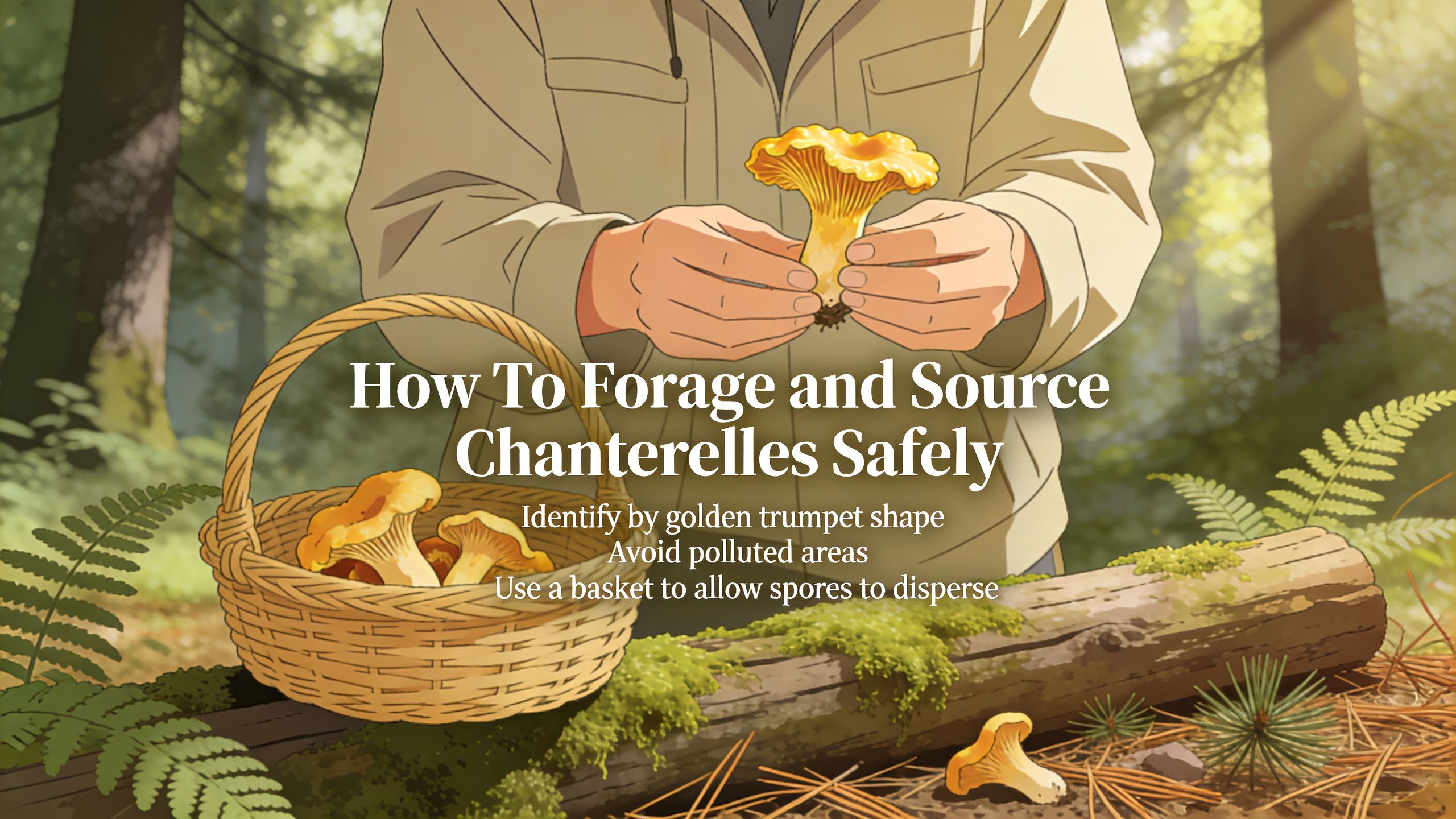
Commercial harvest adds another reason to take identification seriously. As noted earlier in the evidence section, chanterelles are harvested at meaningful scale, and one review states that the Pacific Northwest harvest alone is valued in the millions of dollars annually, which makes correct identification especially important for both amateur and commercial pickers.
The rule that keeps people safe
If you're not completely sure, don't eat it.
That sentence isn't dramatic. It's basic mushroom safety. Chanterelles have look-alikes, and some of them can make you very sick. New foragers often get overconfident because they've memorized one photo. Real woods don't look like a guidebook. Light changes color. Age changes shape. Rain changes texture.
Safety first: A mushroom should match on multiple traits, not just color.
For Michigan readers, local conditions matter too. Tree types, season, and habitat can all shape what you find, so regional guidance helps. If you want a local overview, this guide to wild mushrooms in Michigan is a smart place to build context before you head into the woods.
What true chanterelles usually look like
True chanterelles have a few classic traits. They often appear golden or egg-yolk colored. Their undersides usually have false gills, which look more like shallow ridges than the sharp, blade-like gills you see on many mushrooms. Those ridges often run down the stem.
They also tend to feel solid and fleshy rather than flimsy. When cut open, the inside is generally pale. Their shape is often irregular, with wavy caps rather than perfectly neat circles.
Chanterelle vs. look-alikes
| Feature | True Chanterelle (Edible) | Jack-O'-Lantern (Toxic) | False Chanterelle (Not Recommended) |
|---|---|---|---|
| Underside | False gills or blunt ridges | True gills, sharper and more blade-like | True gills, thinner and more crowded |
| Growth habit | Often scattered or in loose groups | Commonly grows in dense clusters | Can appear in groups or alone |
| Cap shape | Wavy, irregular, often trumpet-like | More uniform cap shape | Can look thinner and more delicate |
| Texture | Firm, meaty | More typical mushroom texture | Usually softer and less substantial |
| Confidence level | Eat only with full ID certainty | Avoid | Avoid unless expertly identified |
A table helps, but it's still not enough by itself. Use it as a memory aid, not a license slip.
Safer ways to get chanterelles
If you're new, the lowest-risk option is often buying from a trusted source instead of foraging yourself.
Good options include:
- Farmers markets: Ask where they were harvested and how fresh they are.
- Specialty grocers: Look for dry, clean mushrooms with no slimy spots.
- Experienced foragers you know personally: Only if you trust their skill and track record.
- Foraging groups or identification events: Better than going solo with a phone app.
A few buying tips make a big difference:
- Choose dry mushrooms: Damp or sticky chanterelles spoil faster.
- Check the smell: They should smell fresh and earthy, not sour.
- Skip damaged specimens: Torn, mushy, or bug-heavy mushrooms aren't worth it.
- Ask how they were stored: Good handling preserves flavor and texture.
Responsible foraging habits
If you do forage, think beyond identification. Wild mushrooms are part of an ecosystem, not just a free grocery aisle.
A good field ethic looks like this:
- Take only what you'll use.
- Leave small or immature mushrooms behind.
- Avoid tearing up the area around them.
- Carry them in a breathable basket or bag.
- Keep species separate if you collect more than one kind.
That last point matters more than people think. Mixing unknown mushrooms with edible ones is asking for trouble.
A Culinary Guide to Chanterelle Mushrooms
Chanterelles taste like they belong in a restaurant, but they're easy to enjoy at home if you handle them well. Their flavor is often described as fruity, lightly peppery, and a little apricot-like. They don't taste like plain button mushrooms. They have more personality than that.
How to store them without ruining them
The biggest beginner mistake is tossing chanterelles into plastic. That traps moisture and speeds up spoilage.
Use this simple approach instead:
- Keep them in a paper bag: It helps them breathe.
- Store them in the fridge: Cool and dry is the goal.
- Don't wash them before storage: Extra moisture shortens their life.
- Use them fairly soon: Wild mushrooms are best treated as perishable treasures, not pantry items.
Cleaning them the right way
Chanterelles often carry bits of forest with them. Dirt, pine needles, and grit like to hide in their folds.
Don't soak them unless you absolutely have to. Most of the time, a dry brush, soft cloth, or barely damp paper towel works better. You want them clean, not waterlogged.
A chanterelle that's been brushed clean and cooked hot keeps its texture. A soaked one often turns limp.
The easiest way to cook them well
If you're new to chanterelles, start with a sauté pan. Heat, fat, and patience do more for these mushrooms than complicated technique.
A simple method works beautifully:
- Tear or slice the larger mushrooms into even pieces.
- Heat a pan and add butter or oil.
- Cook the chanterelles until they release moisture and then begin to brown.
- Add salt near the end.
- Finish with herbs, eggs, cream, pasta, or toast.
They pair especially well with foods that let their flavor stay visible. Eggs, cream, soft cheeses, chicken, and simple pasta are all good choices.
If you want another practical mushroom cooking reference, this chestnut mushroom preparation guide is useful because many of the same kitchen habits apply. Respect the texture, avoid overcrowding the pan, and let the mushroom cook rather than steam.
A few cooking mistakes to avoid
Some errors show up again and again:
- Overcrowding the pan: Mushrooms steam instead of browning.
- Too much seasoning: Chanterelles have a subtle flavor that gets buried easily.
- Undercooking wild mushrooms: Cooking improves texture and makes them easier to digest.
- Treating them like a side note: They're often best when they're one of the stars of the plate.
If you've only had mushrooms in heavy sauces, chanterelles can change your mind. They reward restraint. A little butter, a little salt, and enough heat to bring out their aroma is often all they need.
Chanterelle Myths and Frequently Asked Questions
People bring a lot of assumptions to mushrooms. Some are harmless. Some create real confusion. Chanterelles deserve a clean explanation, especially for readers who also follow conversations around psychedelic fungi.
Are chanterelles psychoactive
No. Chanterelles are not psychedelic and do not contain psilocybin.
That distinction matters. They're a gourmet and functional food mushroom, not a magic mushroom. Their value comes from nutrition, flavor, and bioactive compounds associated with wellness support. If you're exploring fungi broadly, it helps to keep categories clear: edible culinary mushrooms, functional mushrooms, and psychoactive mushrooms are not interchangeable.
Can you eat chanterelles raw
It's better not to. Chanterelles are no exception to the fact that mushrooms are generally tolerated better when they're cooked. Cooking improves texture, deepens flavor, and makes them easier to enjoy.
Raw chanterelles also don't show off what makes them special. Their aroma and taste develop in the pan.
Are chanterelles just about vitamin D
No. Vitamin D is the headline, but it isn't the whole profile. According to this review of chanterelle wellness properties, chanterelles also provide B vitamins such as niacin and pantothenic acid, which support central nervous system function and energy production.
That's a useful reminder for anyone who thinks “functional” always means one famous compound. Whole mushrooms usually work as a package.
How do chanterelles compare with lion's mane or reishi
They overlap in the broad sense that all three belong to the mushroom wellness conversation. But they play different roles.
- Chanterelles are first and foremost an edible wild food with functional value.
- Lion's mane is often discussed for cognition-focused interest.
- Reishi is usually approached more like a traditional wellness mushroom than a dinner ingredient.
Chanterelles are the easiest of the three to bring into ordinary meals. That makes them a great entry point for people who want to start with food before they start buying powders, capsules, or more specialized products.
What's the biggest myth about chanterelle mushrooms benefits
The biggest myth is that if a mushroom isn't psychoactive, it must be mild or uninteresting. That's just not true.
Chanterelle mushrooms benefits are compelling because they're practical. You can buy them, cook them, enjoy them, and get meaningful nutritional value from a familiar act: eating dinner. No ceremony required. No altered state required. Just a very good mushroom doing a lot of things well.
If you're exploring the wider world of fungi, from gourmet species like chanterelles to adult-use psilocybin products, Metro Mush is a helpful place to continue that journey. They serve the Detroit and Ann Arbor area with a curated menu for adult consumers who want to learn, browse, and approach mushrooms with curiosity and care.